Trump declares national emergency over Cuba, authorizes tariffs on countries that supply it oil
Loading...
Summary
President Donald Trump declared a national emergency on Jan. 29, 2026, saying Cuba poses an 'unusual and extraordinary' threat; the proclamation authorizes tariffs on countries that directly or indirectly supply petroleum to Cuba, and was reported live by Mario Pentón of Martinoticias.
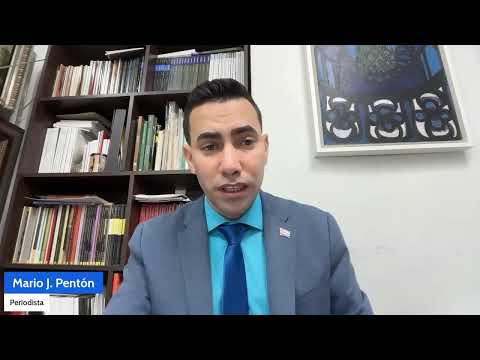
Mario Pentón, host of a Martinoticias live broadcast, reported that President Donald Trump "acabó de declarar un estado de emergencia nacional por amenaza inusual y extraordinaria de Cuba," saying the proclamation labels Cuba an "unusual and extraordinary" threat to U.S. national security and foreign policy. Pentón read portions of the administration's announcement and described immediate measures authorized by the order.
According to the broadcast, the proclamation authorizes the United States to impose additional tariffs against countries that directly or indirectly sell or supply petroleum to Cuba. "El presidente Donald Trump está básicamente diciendo que los países que envíen petróleo al régimen cubano ... serán castigados con aranceles," Pentón said, summarizing the stated aim of pressuring the Cuban government by targeting its energy supply and external suppliers.
Pentón reported that the order characterizes the Cuban government as aligned with countries and actors the administration regards as hostile, naming Russia, Iran and China, and references transnational terrorist groups including Hamás and Hizubolá. The broadcaster said the order asserts that Cuba possesses foreign military and intelligence capabilities that threaten the United States.
The live report gave an effective date for the proclamation: Pentón said the order was signed Jan. 29 and would enter into force at 12:01 a.m. the following day, Jan. 30, 2026. The transcript includes both points (signed on Jan. 29; effective Jan. 30 at 12:01 a.m.); the broadcaster characterized that timing as coming directly from the administration's text.
Pentón also referenced U.S. law as "la ley libertad," saying U.S. statutes direct the promotion of political freedoms in Cuba, including free, internationally supervised multiparty elections and return of alleged stolen assets. He reported that Cuban‑American members of Congress and community groups in southern Florida had urged more punitive steps such as suspending flights, remittances and parcel services to Cuba.
The broadcast stressed that details were developing and that Martinoticias would provide updates. Pentón closed by urging viewers to follow the outlet for further information.
This report is based on a Martinoticias live broadcast in which the host read and summarized the proclamation; the text of the presidential order itself and any implementing guidance from the U.S. government were not provided in full during the broadcast and remain to be confirmed through official sources.