
Rubio tells Senate U.S. seeks regime change in Cuba; outlines three-phase plan for Venezuela
Get AI-powered insights, summaries, and transcripts
Sign Up Free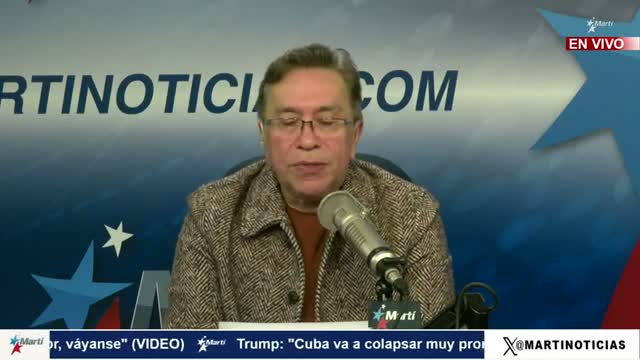
Summary
U.S. Secretary of State Marco Rubio told the Senate Foreign Relations Committee that Washington seeks a political change in Cuba and described a three-phase plan for Venezuela (stabilization, recovery, transition). The program also carried comments by Venezuelan opposition leader Mareda Corina Machado following a meeting with Rubio.
U.S. Secretary of State Marco Rubio told the Senate Foreign Relations Committee that the United States seeks a political change in Cuba and said the U.S. embargo "will only be lifted when a change of regime occurs on the island," as reported on Marted Noticias AM.
Rubio presented a three-phase approach for Venezuela that he described as stabilization, recovery and transition, and told senators the administration is not preparing new military operations but left the use of force on the table against direct threats. Rubio also said the State Department will closely supervise the performance of interim authorities and signaled the possibility that opposition leader Mareda Corina Machado could participate in aspects of a transition.
Mareda Corina Machado, described on the program as a Venezuelan opposition leader and Nobel Peace Prize laureate, said after meeting with Rubio that a democratic transition in Venezuela is "inevitable" and that she enjoys strong backing from the United States. Machado rejected any arrangement that she said would preserve the same elites, telling audiences she seeks "a real change" rather than stability that keeps existing power structures intact.
The broadcast contrasted these claims with Venezuelan government statements: the Attorney General, reported on air, denied the existence of political prisoners and said recent releases were not the result of international pressure. Independent NGOs cited on the program reported higher counts of politically motivated detentions and documented excarcelations since early January.
Why it matters: Rubios testimony, aired for a Cuban and Latin American audience, signals continued U.S. pressure on Havana and a tighter U.S. posture toward authorities the administration calls repressive. The senators comments also frame U.S. policy in Venezuela around supervised financial measures and conditional cooperation with interim authorities, while leaving military options as a last resort.
The program said Rubio referenced U.S. statutory policy when explaining the conditions under which sanctions or embargo measures would change; the broadcast cited the U.S. law mentioned on air. No formal vote or legislative action was recorded during the program.
Next steps: The show connected with a correspondent in Caracas to monitor reactions on the ground and to report on stated releases of detainees and how local actors interpret the U.S. approach.