Get Full Government Meeting Transcripts, Videos, & Alerts Forever!
Harbor District presentation outlines Spartina densiflora impacts, control methods and high cost of eradication
Summary
A long technical presentation reviewed the invasive Spartina densiflora in Humboldt Bay — its South American origin, seed longevity, ecological harm to mudflat food webs and the range of removal methods — and estimated that full eradication could cost tens of millions and take decades.
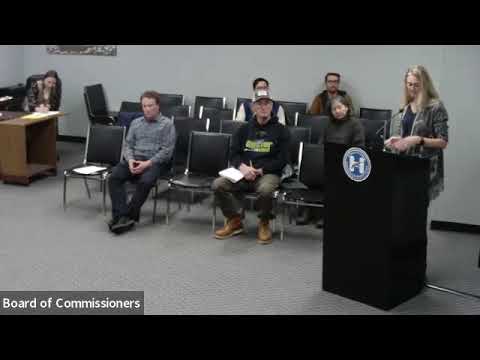
EUREKA — At the meeting’s new‑business item, a district speaker delivered an extended presentation on Spartina densiflora, the invasive cordgrass present in Humboldt Bay, detailing its origin, ecology, impacts on mudflat and marsh biodiversity, control options and the likely scale and cost of eradication.
The presenter said Spartina densiflora arrived on Pacific Coast timber ships from South America and noted that seed and vegetative fragments can travel widely: "We are the center of the inoculum," the presenter said, describing drift‑card studies that show seed dispersal from the bay to other Pacific Coast sites.
Why it matters: Spartina alters marsh and mudflat communities, reduces shorebird forage and below‑ground biodiversity, changes habitat structure and competes with native marsh plants. The district and partners have conducted mapping and…
Already have an account? Log in
Subscribe to keep reading
Unlock the rest of this article — and every article on Citizen Portal.
- Unlimited articles
- AI-powered breakdowns of topics, speakers, decisions, and budgets
- Instant alerts when your location has a new meeting
- Follow topics and more locations
- 1,000 AI Insights / month, plus AI Chat