Secretary cites low renewables share, pipeline bottleneck in New England at peak demand
Loading...
Summary
Secretary Chris Wright said less than 3% of New England's electricity at peak came from wind, solar and batteries combined, that oil was the top source due to pipeline constraints, and urged building a pipeline he said New York's governor is blocking.
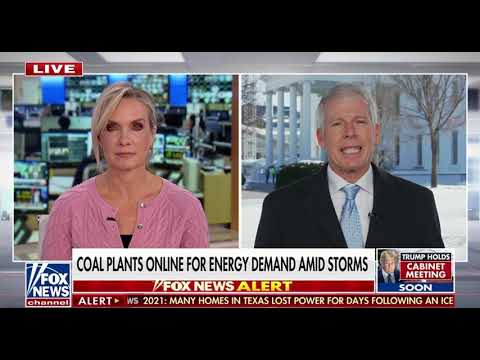
Energy Secretary Chris Wright told an interview that New England’s grid relied on limited renewable output at peak demand and that regional pipeline constraints pushed the region to burn oil.
"In New England's grid, at peak demand time, less than 3% of electricity came from wind, solar, and batteries combined," Wright said. He added that New England at peak got more electricity from burning wood and trash than it did from wind, solar and batteries, and that oil was the top source because of a shortage of pipeline capacity to bring lower-cost natural gas into the region.
Wright said building the referenced pipeline — which he called the "constitution pipeline" — would lower costs, protect lives and expand economic opportunities, and he said the New York governor "is standing in the way of that." The interview did not include detail on the pipeline’s permitting status, route, ownership, or any specific permitting decisions.
Wright also stressed that local distribution failures from ice on lines are being repaired in several states, but he drew a distinction between those local issues and the regional supply constraints affecting New England.
The statements about the renewables share, relative contributions from wood and trash, and the role of oil at peak were presented by the secretary; the interview did not provide independent data or documentation to corroborate the numerical claims.