Rural hospital leaders tell lawmakers standby pay, not rebuilds, can keep birthing units open
Loading...
Summary
Munson Health and other witnesses told the committee that unpaid 24/7 obstetric on-call costs are the leading reason small hospitals close birthing units and urged the RHTP to include predictable standby funding (task-force recommendation: up to $500,000 annually per birthing hospital) to preserve access.
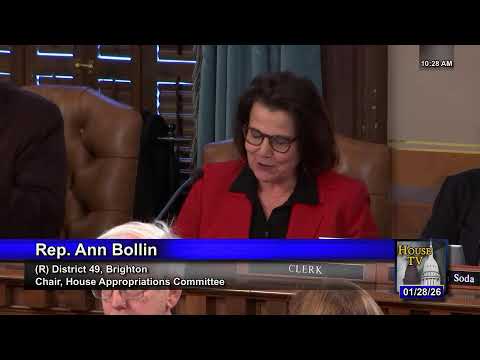
LANSING — Rural hospital leaders pressed the House Appropriations Committee on Jan. 27 to include specific, predictable support for maternity services in the state’s Rural Health Transformation Program application.
Peter Maranoff, president and CEO of Munson Health South Region, told the committee that "the single greatest driver of OB unit closures is the unpaid cost of maintaining 24/7 obstetric coverage" and urged implementation that offsets standby costs rather than rebuilding services after they are lost. Maranoff said a task-force recommendation — "up to 500,000 annually per birthing hospital" — would allow hospitals to plan and remain accountable for outcomes.
Why it matters: Witnesses described cascading consequences when local obstetric services close: longer travel distances for pregnant patients, increased EMS use, higher-risk arrivals at emergency departments, and strain on fragile rural systems. Committee members sought examples; Maranoff cited Manistee’s OB unit closure roughly eight years ago and said closures force patients to travel and can lead to specialists leaving or reshaping their practices.
What was proposed: Testimony recommended that RHTP implementation include direct, streamlined funding tied to maintaining OB services and that program design avoid forcing birthing hospitals to compete for complex grants to retain coverage. Committee members and witnesses also noted that support for doulas, midwives and community health workers alone cannot substitute for surgical or emergent obstetric backup.
Next steps: No formal vote was taken. Committee members signaled further review of program design and eligibility definitions to determine how to prioritize maternity stabilization alongside other rural needs.