
MDOT outlines pilots for work-zone safety technology, says camera rollout needs multi-agency work
Get AI-powered insights, summaries, and transcripts
Subscribe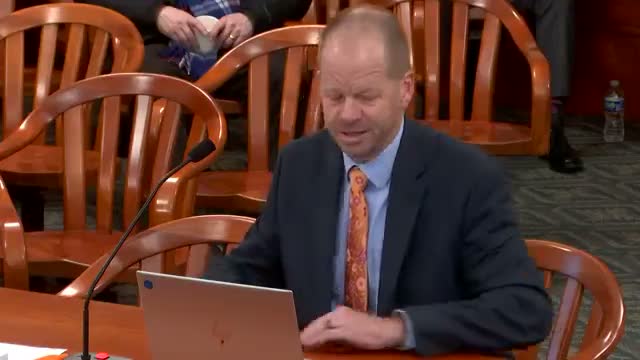
Summary
MDOT described queue-detection systems, digital speed signs and a vehicle-to-everything pilot with HOS Alerts to broadcast construction-zone warnings; officials said recent legislation on work-zone cameras requires administrative work across agencies and that the stated goal of any camera rollout is to change behavior, not issue citations.
Michigan Department of Transportation Chief Operations Officer Greg Bruner told the House appropriation subcommittee MDOT is expanding technology pilots aimed at reducing work-zone and wrong-way crashes, and that a camera-based citation program would require significant multi-agency administrative work before rollout.
"My goal is if this were to roll out, that we get 0 citations," Bruner said, framing any camera program as a behavior-change tool rather than a revenue source.
Why it matters: Bruner said Michigan still saw over 1,000 traffic fatalities in 2025 (preliminary figures), and work zones remain a persistent site of serious crashes. The committee heard that technology pilots could help alert drivers earlier and give law enforcement faster situational awareness.
Technology and pilots described Bruner described several safety technologies MDOT is testing or deploying: - Queue-detection systems and advance message boards that trigger when traffic begins to back up, warning drivers of stopped traffic ahead. - Smart/connected arrow boards and digital speed-display signs that broadcast posted and actual speeds to encourage compliance. - A geofence and commercial-vehicle alert pilot (noted on an I-94 project) that uses vehicle telematics to warn equipped trucks about closures ahead. MDOT said it received Federal Motor Carrier Safety Administration (FMCSA) grants tied to motor-carrier information initiatives. - A vehicle-to-everything (V2X) pilot with a Detroit company, HOS Alerts, in which MDOT installed transponders in about 100 agency vehicles. When those vehicles activate lights for road work, the system sends construction-zone alerts to OEMs and navigation platforms (MDOT listed Stellantis, Volkswagen, Waze, Google Maps and Apple Maps as platforms receiving signals in the pilot).
On work-zone safety cameras and administration When asked about recent legislation enabling work-zone safety cameras, Bruner said MDOT has not simply set up a contract; implementation requires coordination with the Secretary of State (for plate transfer), the Treasury (fund flows), Michigan State Police and local judiciary for enforcement, and other agencies. He emphasized funding and administrative structures are the main hurdles to rollout.
Responses to committee questions Representative Slaw asked about "secondary closures" to stop drivers who drive around barricades; Bruner described deployed mechanical devices piloted by vendors that can stop a vehicle (a deployable plate that flips to halt a vehicle) as a secondary protection measure when primary barricades are bypassed. Representative Robinson asked about wrong-way driving; Bruner said impairment is often the underlying cause and MDOT is piloting video analytics/AI to detect wrong-way vehicles and notify dispatch and message boards.
MDOT said the goal across these efforts is to reduce speeds and prevent crashes in work zones and to expand measures that demonstrably improve safety. The committee discussion did not produce policy votes; MDOT said administrative steps and interagency agreements must precede any enforcement rollout.
Next steps: MDOT will continue pilots, evaluate results and work with other agencies on administrative requirements for any camera program.