
Senate Commerce Hearing Shows Bipartisan Momentum for Ticketing Reforms, Including Ban on Speculative Sales
Get AI-powered insights, summaries, and transcripts
Subscribe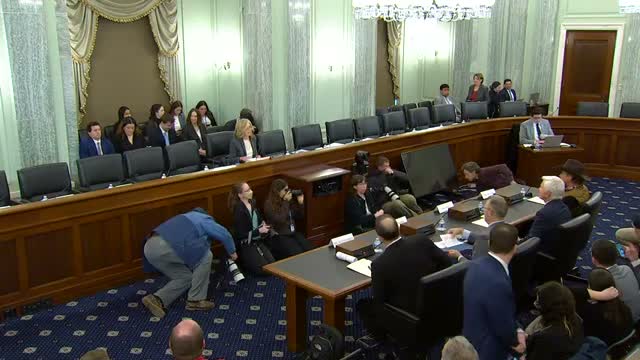
Summary
Senators and witnesses at a Commerce subcommittee hearing voiced broad support for upfront pricing, a ban on speculative/ghost tickets and stronger BOTS Act enforcement; artists and independent venues urged subpoenas of ticketing contracts while platforms described technical defenses against bots.
A Senate Commerce subcommittee hearing on online ticketing on Jan. 30 featured bipartisan calls for stronger consumer protections, including codifying “all‑in” pricing, banning speculative or “ghost” tickets and tightening enforcement of the BOTS Act. Chairwoman Blackburn framed the session as a response to fans who watch tickets vanish and reappear on resale sites at far higher prices.
Witnesses included artist Robert Ritchie (Kid Rock), Dan Wall, executive vice president for corporate and regulatory affairs at Live Nation, Brian Berry, executive director of the Ticket Policy Forum, and David Weingarten of the Colorado Independent Venue Association. Ritchie told the committee that “no artist should be forced to sell their tickets without a say in who sells them and how they are sold,” and urged Congress to subpoena artist, promoter and ticketing contracts to expose what he called “mountains of fraud and abuse.”
Independent venues stressed day‑to‑day harms to fans and box offices. David Weingarten said venues regularly confront fake or speculative listings and that reseller customer service often fails: “phones don't get answered, emails go nowhere,” he said, and fans arrive unable to enter shows for which they paid.
Live Nation’s Dan Wall acknowledged an escalation in automated attacks and described company steps to counter them, including identity verification and account‑limit policies. Wall told senators the company has increased anti‑bot investments and cited prior daily blocking metrics as evidence of escalation in attempted automated access to ticket sales. He also described platform features such as a face‑value exchange that lets tickets resell at the purchaser’s original price.
Representatives of resale marketplaces said online marketplaces have reduced street‑corner fraud, supported transparency measures and are open to interoperability and verification standards. Brian Berry said his member companies back upfront pricing and measures to stop deceptive URLs and speculative listings, while cautioning against policy that would eliminate legitimate resale and push transactions into fraudulent black markets.
Several senators pressed witnesses to commit to specific reforms. Senator Edward J. Markey won on‑the‑record answers from the panel in favor of four core provisions: all‑in pricing, banning speculative ticketing, prohibiting deceptive resale advertising and ensuring full refunds for canceled events. Senators also sought evidence and records tied to ongoing litigation: the panel discussed an FTC complaint against Live Nation/Ticketmaster and a Department of Justice antitrust lawsuit.
The hearing ended with procedural next steps: members may submit written questions by Feb. 4, and witnesses were asked to respond by Feb. 18. Chairwoman Blackburn said the committee will pursue legislative fixes and preserve oversight tools to ensure fans and artists see tangible changes.