
Bill would set 48-hour medical screening standard in Nebraska prisons after family testimony of delayed care
Get AI-powered insights, summaries, and transcripts
Subscribe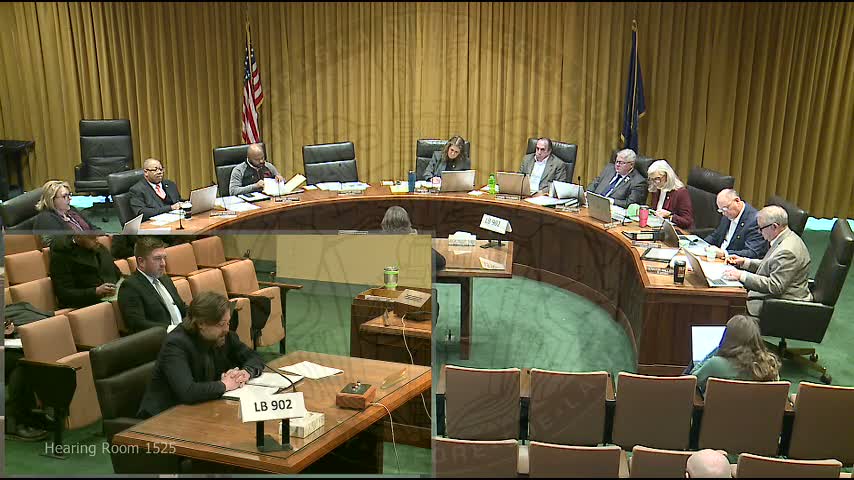
Summary
LB 902 would require standardized medical protocols in Department of Correctional Services facilities, including a requirement that initial assessments occur within 48 hours of inmates reporting symptoms; the bill drew emotional family testimony about deaths and professional testimony about staffing shortages and fiscal impacts.
Senator George Dungan introduced LB 902, the Medical Standards for Incarcerated Individuals Act, saying the current statutory requirement that NDCS provide medical care consistent with the “community standard of health care” is too vague and leaves gaps in timely access to assessment and documentation. The bill would require the department’s medical director to develop standardized protocols, including routine screening and an initial assessment window “not to exceed 48 hours” after a complaint is reported, mandatory documentation available to the Office of the Inspector General and a biannual compliance audit (the sponsor circulated a white copy amendment to adjust audit responsibilities and timelines).
Dungan said the bill is intended to codify triage and early detection mechanisms rather than create a requirement for bedside treatment. “This bill is not about treatment, it’s about triage,” Dungan told the committee, arguing that a 48-hour screening window would ensure complaints are checked and escalated when necessary.
Family testimony drove much of the emotional force in the hearing. Matesha Weindorf told the committee that her father, Robert Weindorf, developed classic signs of diabetic emergency while in NDCS custody, submitted multiple medical requests and was repeatedly told to wait; she said his care was delayed and he later died. “If my father had walked into any emergency room in this state instead of a prison infirmary, he would have lived,” Weindorf said. She said obtaining her father’s medical records required pro bono legal help and that the inspector general initially could not access records.
Medical professionals who previously worked in NDCS described staffing shortages, departures of physicians and a reliance on nurses to cover many functions. Dr. Jeffrey Frasier and Dr. Jeffrey Damme both said physician vacancies have forced the department to rotate providers between facilities and rely on nurses for much of the day-to-day medical work. Frasier testified that long delays in processing medical requests were observed at multiple facilities and that returning terminated clinical staff to prior positions would alleviate some shortages.
The Department of Correctional Services, represented by Director Rob Jeffreys, opposed the bill in its current form, saying NDCS already operates triage and consult processes that categorize requests as emergent, urgent or routine and that the bill’s 48-hour blanket requirement would require 38 additional staff and cost roughly $5.6 million, according to the department’s fiscal note. Jeffreys also warned of manual-reporting burdens and potential HIPAA issues for some of the records the bill would require the department to produce.
Inspector General Doug Koberneck testified in a neutral capacity. He said the inspector general’s office was not the originator of the bill but that some proposed changes (including an amendment to make audits every other year and to allow collaboration with the Ombudsman and Legislative Audit) would mitigate workload concerns and eliminate the inspector general’s fiscal note. He confirmed his office already investigates all deaths and serious injuries in custody and that clearer reporting requirements would help oversight.
Advocacy groups, including the ACLU (testifier Jason Witmer), supported LB 902 as a way to create clear standards and accountability, and several proponent written comments were filed. Dungan said he is willing to work on language with NDCS to ensure the bill establishes triage and documentation expectations without creating an unworkable staffing mandate.
The committee posed extensive questions about the fiscal note, the department’s current triage timelines and the practical difference between standardized screening and substantive treatment. No formal vote was taken; the sponsor and committee members discussed potential clarifications to ensure that the 48-hour requirement refers to an initial screening/assessment and not comprehensive on-site treatment.