
Providers seek delay of long‑term care under Medicaid managed care, citing payment and access risks
Get AI-powered insights, summaries, and transcripts
Sign Up Free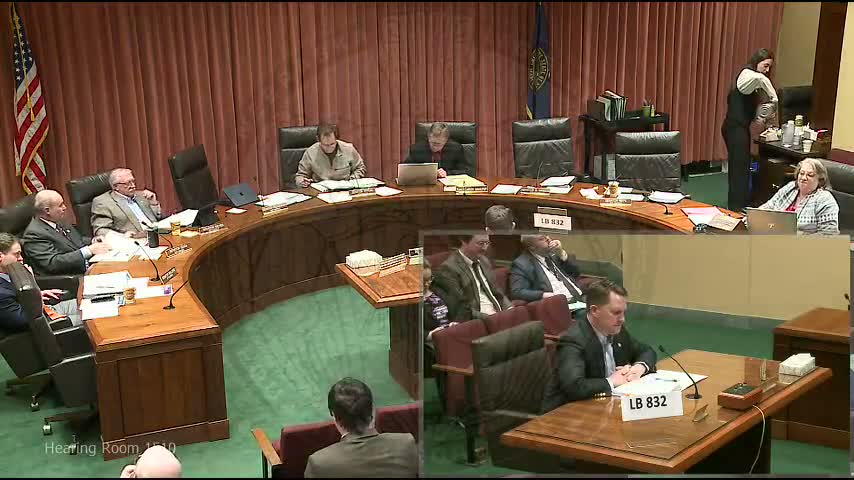
Summary
Long‑term care providers urged the Health and Human Services Committee to delay adding long‑term services to Medicaid managed care, arguing managed care in other states caused claim denials, payment delays and clawbacks; DHHS and MCO representatives opposed a moratorium and said managed care can improve coordination and home‑and‑community services.
Sen. Ben Hansen introduced LB832 to delay adding long‑term services and supports (LTSS) to Nebraska’s Medicaid managed‑care contracts. The bill would extend the date for inclusion to July 1, 2028 (the sponsor also referenced an amendment to set a compromise date).
Nursing‑home and long‑term‑care providers — including John Turner (Newport House), Brian Stewart (Better Senior Living), Mark Stroczynski (Emerald Healthcare), Tyler Jules (Ambassador Health), and Jalene Carpenter (Nebraska Health Care Association) — testified in support. Providers described experience in other states where managed‑care transitions produced delayed payments (claims paid 45–90+ days instead of typical Medicaid timeliness), administrative burdens from prior authorizations and documentation requirements, and post‑payment clawbacks that can jeopardize cash‑flow and facility viability. One testifier said Nebraska nursing homes report an average of only about 25 days cash on hand, meaning payment delays could be destabilizing.
DHHS Division Director Drew Gonshorowski and representatives of managed‑care plans testified in opposition, arguing the traditional long‑term‑care model is unsustainable and that managed care can better integrate home‑and‑community‑based services and control costs. The department said careful stakeholder engagement, transparent design work and federal approval would precede any implementation.
Committee questioning examined Iowa and Kansas examples, the mechanics of prior authorization and appeals, the scope of clawbacks, and contractual timeliness requirements for MCOs. Sponsor and stakeholders said they will continue discussions; the committee closed the hearing and moved into executive session.