Omnibus DHHS bill draws scrutiny over proposed rollback of spousal‑impoverishment provisions
Loading...
Summary
LB867 proposes technical and alignment changes across DHHS programs. Opponents raised alarms about language that would repeal Nebraska spousal‑impoverishment statutes and restrict pooled special‑needs trust options for people 65+, warning of potential conflicts with federal law and harm to elders' financial protections.
A committee omnibus bill, LB867, would make a wide range of statutory updates across DHHS programs — from special‑needs trust language and fingerprinting for credentialing to commodity supplement food program adjustments and PDMP funding. DHHS and the bill sponsor said the changes align state law with federal requirements and current departmental practice.
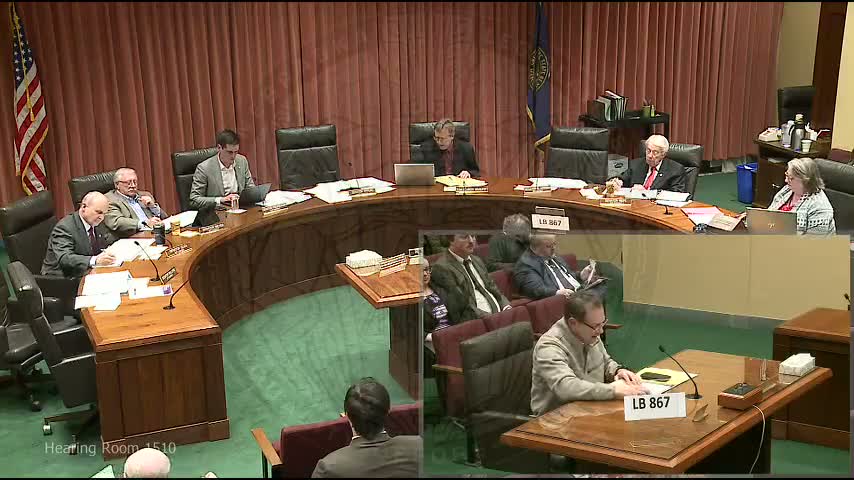
Opponents focused on a set of proposed repeals and changes affecting the state’s spousal‑impoverishment protections and pooled special‑needs trusts. Nick Halbur, an elder‑law attorney, said removing the option for individuals 65 and older to fund pooled special‑needs trusts would discriminate against disabled elders and that repealing statutory spousal‑impoverishment protections could conflict with federal law and jeopardize Medicaid funding. AARP Nebraska and the Nebraska Health Care Association testified in neutral tones urging caution and asking the department to preserve state‑level protections that implement federal rules and protect community spouses.
Senators asked the department to review the legal and fiscal implications and to work with stakeholders; Chair Hardin acknowledged concerns and said department attorneys will examine whether the statutory cleanup conforms to federal law and make technical fixes as needed. No formal vote was taken during the hearing.