
DLI survey shows strong participation and positive themes; board asks for focus groups on equity and communication
Get AI-powered insights, summaries, and transcripts
Sign Up Free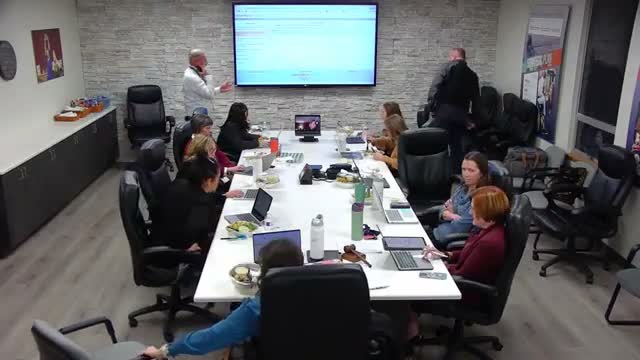
Summary
District staff said roughly 550 people responded to Dual Language Immersion surveys and that respondents expressed generally positive feedback but flagged communication gaps and parent struggles supporting homework; board members asked for targeted focus groups and further follow-up.
District staff presented results from three Dual Language Immersion (DLI) surveys at the Jan. 27 study session and recommended follow-up outreach to clarify specific school-level culture concerns.
Caleb, who summarized the analytics, said the surveys garnered about 550 responses: roughly 400 from families with children currently in language programs, around 50 from families with mixed participation, and about 100 from respondents who have observed the program but whose children were not enrolled. "That kind of breaks down the 550 responses," the analyst said.
Thematic analysis showed generally positive evaluations of DLI programming but consistent requests for clearer communication about program expectations and supports. Staff said a prominent concern among some parents was difficulty helping students with homework in a language the parent does not speak; staff proposed clearer messaging and additional supports for families, and recommended targeted focus groups for populations underrepresented in the survey.
Board members asked whether school-culture complaints or anecdotal negative experiences were captured; staff said isolated complaints appear in the detailed open-response data but were not a dominant theme in the aggregated summary. Staff suggested additional focus groups or targeted outreach to families who left DLI schools to capture experiences not reflected in the survey sample.
The board also asked about program costs. Wendy Dow provided a district incremental estimate: "I have been asked this question many times...It is $722 per year per elementary DLI student above what the WPU provides," she said, a figure staff used to compare program funding and trade-offs.
No policy decisions were made. Staff said they will bring additional focused analyses, share full response data with the board, and run follow-up engagement (focus groups and school-level outreach) to inform future DLI decisions and communication strategies.