
TCEQ approves Preserve Hutto wastewater permit after regionalization debate
Get AI-powered insights, summaries, and transcripts
Subscribe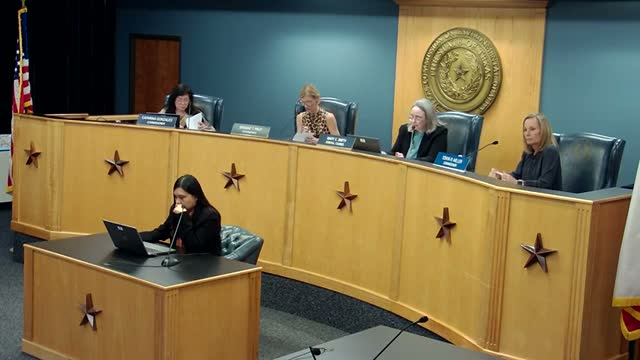
Summary
After a contested hearing and differing recommendations from ALJs, the Executive Director and OPIC, the TCEQ voted to issue Preserve Hutto LLC’s new TPDES permit WQ00161401, adopting the executive director’s recommendation with modifications. The decision resolved a dispute over whether regionalization requirements should bar a small on‑site package plant.
The Texas Commission on Environmental Quality voted Jan. 28 to issue a TPDES permit to Preserve Hutto LLC for a small wastewater treatment facility (draft permit WQ00161401), resolving a months‑long dispute over the agency’s regionalization policy.
The permit was the sole contested issue at the State Office of Administrative Hearings (SOAH) on regionalization. Administrative law judges (ALJs) recommended denying the permit on regionalization grounds, concluding the applicant did not justify a stand‑alone plant where area‑wide service was available. Preserve Hutto’s counsel, Peter Gregg, told the commission the ALJ’s proposal for decision (PFD) was “wrong legally” and “wrong factually,” arguing the record shows no available capacity or agreement to serve that would allow development to proceed and that annexation conditions imposed by the district would impose property taxes and other burdens on the applicant.
The Executive Director’s counsel, Ryan Rakowitz, recommended rejecting the ALJ PFD on the regionalization issue and issuing the permit. ED counsel said Preserve Hutto had supplied required information showing the revised application complied with TCEQ’s regionalization policy: the site was not within an incorporated city’s service area, connecting costs could be prohibitive, and no domestic permitted wastewater collection system within a three‑mile radius was available to provide service at the time of application. Rakowitz requested the commission issue the draft permit without changes.
Office of Public Interest Counsel senior attorney Eli Martinez urged denial in line with the ALJ, stressing statutory and policy support for regional systems and flagging record evidence that the regional district and the City of Hutto had been willing and able to serve and had pursued expansions and connection points. Martinez said cost projections in Preserve Hutto’s filings appeared overstated and that impact‑fee calculations and other assumptions favored regional connection.
Commission debate focused on three core issues identified in the hearing record: (1) physical capacity at nearby regional facilities; (2) operational willingness and documented agreements to serve; and (3) whether annexation and related conditions constitute an onerous special condition that would justify an exception to the regionalization policy. After a short recess to harmonize competing orders and amended language circulated from the dais, Commissioner Tanya Miller moved to grant the application and issue the permit as recommended by the Executive Director with the agreed modifications; the motion was seconded and passed by voice vote.
The commission’s order adopts the ED’s approach while incorporating the changes offered by commissioners during deliberations. Staff will carry out permit issuance and any further administrative steps required by the order.
Quote from the hearing record: Peter Gregg, representing the applicant, told the commission, “The PFD is wrong. It is wrong legally. It is wrong factually,” emphasizing the applicant’s view that the ALJ misapplied regionalization standards.
What happens next
The ED will finalize and issue the TPDES permit consistent with the commission’s order and modifications. Parties that were protesting the draft permit may pursue available administrative appeals or seek other remedies specified under commission rules. The commission’s decision resolves an on‑record dispute about how the regionalization encouragement should be applied in cases where nearby capacity and willingness to serve are disputed by the parties.