
Nebraska senators split over LB400 as debate ends with amendment adoption
Get AI-powered insights, summaries, and transcripts
Sign Up Free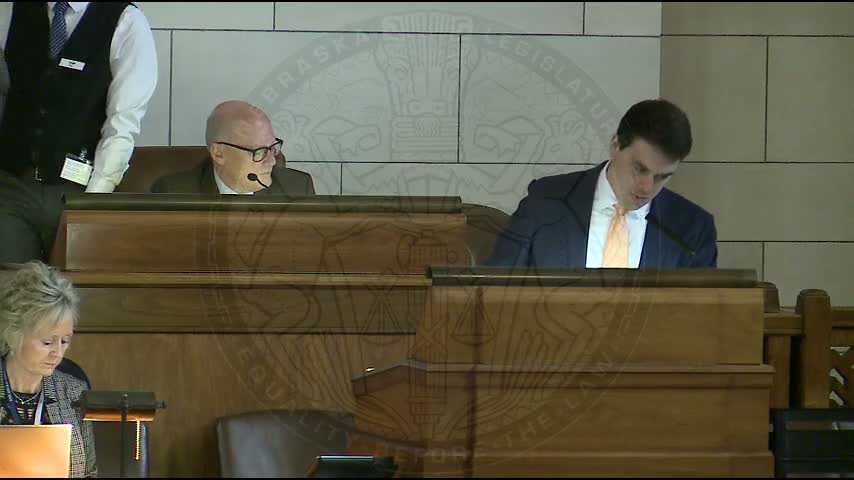
Summary
The Nebraska Legislature spent floor time debating LB400, which would create a rebuttable presumption that certain cancers in firefighters arose from employment. Supporters cited science and efficiency; opponents warned of an unfunded mandate and litigation costs. The body adopted committee clarifications (AM 16‑96) and voted to end extended debate.
The Nebraska Legislature on Jan. 21 spent much of its floor session debating LB400, a measure that would create a rebuttable presumption that certain cancers in firefighters arose out of and in the course of employment, shifting the initial evidentiary burden to employers unless they rebut with a preponderance of evidence.
Supporters said the presumption is a familiar legal tool that reflects scientific findings about occupational cancer risk and would ease access to benefits for ill firefighters. "Because colleagues, we need to get LB 400 done," said Senator Dungan in support, arguing the change is grounded in data and intended to prevent dying firefighters from struggling to secure compensation. Senator Conrad added that similar presumptions exist in more than 20 states and that the shift is not an absolute finding but a starting point that can be rebutted in court or workers' compensation proceedings.
Opponents pressed the bill’s fiscal and legal implications for municipalities and rural fire districts. Senator Jacobson warned the proposal "changes the law to make it simple for attorneys to file a suit" and said it amounted to "a money grab," arguing the measure would impose large, uncapped liabilities and higher insurance costs on local governments. Several senators urged the debate be returned to committee so stakeholders and municipal officials could better quantify premium and reserve impacts.
Floor discussion also highlighted environmental and epidemiological context raised by Senator Raybould and others, who pointed to University of Nebraska Medicine findings on elevated pediatric and adult cancer rates in parts of the state and asked whether the bill’s listed cancers might be driven by broader environmental exposures such as nitrates in groundwater.
Procedural actions shaped the day's outcome. After an extended exchange the body voted to cease debate (recorded vote 28 ayes, 19 nays), allowing members to proceed. Senators then adopted AM 16‑96 (a committee cleanup and volunteer definition clarification) by roll call (25 ayes, 20 nays). Later in the day Senator Hallstrom offered AM 17‑50 as an alternate that would make the existing Firefighters Cancer Benefits Act mandatory and create a statewide insurance approach; proponents described earlier marketplace estimates of roughly $150–$200 annually per firefighter for a benefits package in other states, while opponents continued to raise unfunded‑mandate concerns. That alternative remained under debate as the legislature adjourned for the day.
The next procedural steps for LB400 will be determined by the committee and whether supporters move the measure forward on select file with or without additional amendments. The record shows the legislature adopted AM 16‑96 and closed extended debate but left substantive choices about benefit design, firefighter categories and fiscal responsibility unresolved.