
Nebraska committee hears bill to create temporary event licenses for out‑of‑state body‑art artists
Get AI-powered insights, summaries, and transcripts
Sign Up Free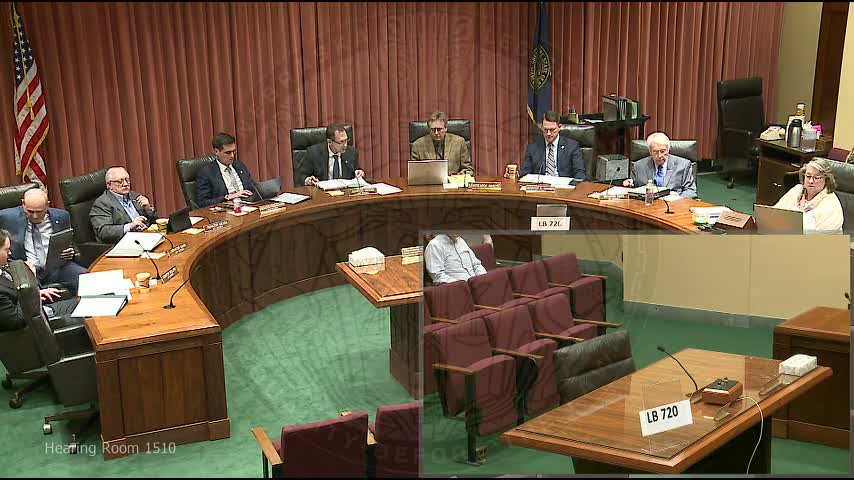
Summary
Sen. Dan Quicke’s LB720 would allow licensed out‑of‑state tattoo and body‑art professionals to get short‑term event permits with in‑person facility inspections and a modest administrative fee proponents say will boost conventions and local economies while preserving health standards.
Senator Dan Quicke introduced LB720 on behalf of sponsors of an effort to let already‑licensed out‑of‑state body‑art professionals perform at Nebraska conventions and specialty events under a temporary event license.
Quicke told the Health and Human Services Committee the bill would establish a short, work‑focused permit intended to make Nebraska competitive for tattoo conventions and similar gatherings and to bring hotel bookings, vendor fees and other tourism dollars to host communities. “LB720 gives Nebraska a practical, low cost way to strengthen our economy, support small businesses, and make our state more competitive in hosting regional and national events,” he said.
The sponsor described safeguards added in committee amendment AM742: facility inspections by a trained health specialist, stricter verification of out‑of‑state licenses, and limits on how often a temporary license may be used. Quicke said the license would be limited to seven consecutive days and that the bill includes a modest administrative fee (the sponsor said a $50 cap) to offset processing costs.
Proponents representing artists, event organizers and public‑health professionals testified in support. Tatiana Arrington, a professional tattoo artist, studio owner and founder of the Ink the Island convention, said Nebraska’s current licensing requirements — including lengthy applications and an education requirement she described as outdated — block many skilled artists from participating. “This bill creates a temporary seven‑day event license allowing already‑licensed professionals from other states or countries to legally tattoo or pierce at approved events,” Arrington said, adding that conventions can draw hundreds of artists and thousands of attendees.
Event planner Casey Sample said local businesses are investing in the convention and that his company has committed about $15,400 in direct sponsorship to support the event. Tyson Shaffert, a longtime practitioner and body‑art board co‑chair, urged the requirement for in‑person inspections by health specialists and described a brief inspector training (BAFFIT) that can be used to certify inspectors.
Brad Mellema, Grand Island’s tourism director, said the city and Heartland Event Center are working with organizers and that multi‑night conventions can yield substantial economic impact. Committee members pressed sponsors on crowd control, insurance and whether local health districts and venues were prepared; witnesses said organizers had met with DHHS and local partners and that inspection and insurance requirements in the amendment would provide accountability.
No formal opposition testimony was recorded in the room; the sponsor said he hoped to finalize fee language with DHHS so a fall event could proceed if the bill advanced. The committee concluded LB720 testimony and moved to the next bill.
Next steps: the committee did not vote on LB720 during this hearing; sponsors asked the panel to consider the bill for early movement so event organizers could meet fall timelines.