Bill to require parental consent for IEP changes and shift burden of proof draws strong testimony
Loading...
Summary
Sen. Victor Rountree's LB 8 41 would require parental consent before schools make material changes to individual education plans (IEPs) and shift the burden of proof to districts in due process hearings; advocates praised the change for parents and military families, while school administrators warned of safety problems and higher litigation costs.
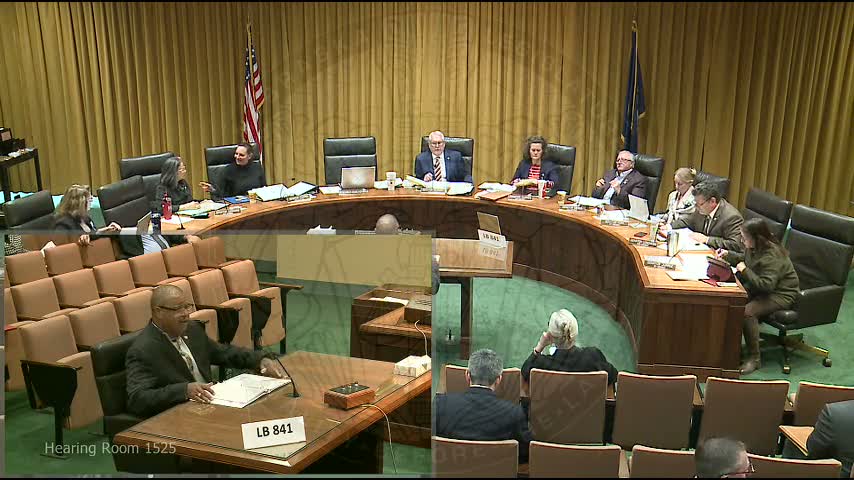
Sen. Victor Rountree introduced LB 8 41 to require parental consent for material changes to a student’s Individualized Education Program and to shift the burden of proof in due process hearings from families to school districts. "This bill ensures that before changes are made to an IEP plan, parents are notified and consent to any changes to their student's education," Rountree told the committee.
Supporters emphasized the bill's potential benefit to military and highly mobile families who can lose services after state‑to‑state moves. Elizabeth Kokorda of Education Rights Counsel described IEPs as contract‑like documents that parents often first see at a one‑hour meeting and said LB 8 41 would give families time to "read through, figure it out, and then say yes or no before we go forward." Amy Bonn, a military spouse and attorney, said some families must hire lawyers to restore services removed without clear justification.
Advocates including the Arc of Nebraska and the Nebraska Council on Developmental Disabilities urged shifting the burden of proof to districts because school districts control relevant records and data. They said the change would increase accountability while preserving an avenue for districts to pursue due process if they believe a change is necessary.
Opponents, including Tammy Boysen (Papillion La Vista Schools) representing school administrators, warned the bill could impair districts’ ability to act when safety or placement concerns require prompt changes. Boysen said the bill could force districts to “follow the previous IEP even when the data tells us that it's not meeting the student's needs,” potentially delaying critical interventions and adding substantial litigation costs (she estimated up to tens of thousands of dollars per dispute).
Committee members asked technical questions about how often disagreements escalate to due process, the expected timing of hearings (NDE statutes anticipate assignment and negotiation steps with an expected hearing window of 45 days but actual resolution often takes months), and whether the bill allows temporary placements in urgent circumstances. Witnesses offered a range of practical answers and the sponsor repeatedly offered to work with school administrators to craft technical fixes.
The committee heard many personal accounts from parents and advocates and noted substantial online support and opposition. Senator Rountree closed by offering continued stakeholder engagement and saying he would be open to amendments to address implementation and safety concerns.