Coconino County details long-term flood mitigation priorities; Tusayan and Muns Park top-ranked
Loading...
Summary
Staff presented conceptual flood-mitigation projects for five high-risk areas (Tusayan, Muns Park, Fort Valley, Sedona, Kachina). A technical team ranked Tucson/Tusayan and Muns Park highest based on mitigation potential, critical infrastructure, and economic impact; next steps include feasibility, geotechnical work, and grant matching.
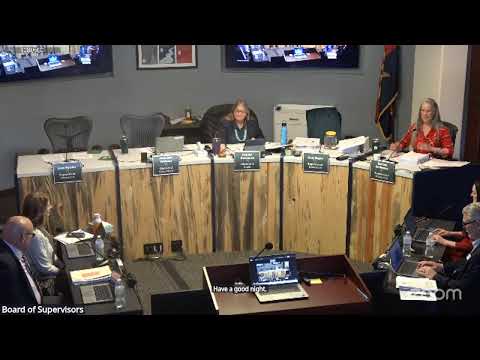
Coconino County flood-control staff and engineering partners presented a long-term flood mitigation plan and project ranking at the Jan. 27 board meeting, emphasizing that the scale of construction and costs will exceed the district's current revenues and require federal and state grant partnerships.
Project teams described conceptual solutions for the county's highest-risk FEMA Special Flood Hazard Areas: flood-retarding structures and detention basins in Tusayan ("Tucson Pines"/Coconino Wash), flood-retarding and outfall improvements in Muns Park, channel and detention alternatives for Fort Valley, targeted channel and lift-station protections in Sedona, and local channel/roadwork in Kachina Mountain Air. Engineers said mitigation types differ by site (e.g., large earthen flood-retarding structures up to 25–30 feet in Muns Park; storm-drain and detention alternatives in Sedona and Doodlebug/Mystic Hills).
The planning team presented a multi-criteria scoring system (level of mitigation, number of structures protected, critical transportation impacts, economic/tourism impacts, partner cost-share and land-rights readiness, operations and maintenance obligations, and benefit-cost analysis). Based on that scoring, the Tusayan/Tucson Pines projects and Muns Park projects ranked highest, followed by Sedona and Doodlebug/Mystic Hills components. Staff recommended next steps that include completing feasibility and geotechnical studies (some geotech work was already underway), securing rights-of-entry, and preparing grant match strategies. Flood Control Director and staff noted some projects are conceptual and will require cooperation with the U.S. Forest Service, private property owners and municipalities; the district plans to use existing fund balances to "mobilize initial engineering and feasibility studies" while aggressively pursuing external grants for construction.
"This is a long term," Flood Control staff said. "None of this is gonna happen overnight." Board members acknowledged the scale of need and voted to receive the briefing and consider funding priorities at a follow-up meeting. The presentation flagged that while certain federal appropriations (interior/forest-service funding) had been enacted, a pending Homeland Security appropriations question could affect FEMA-administered reimbursements if a prolonged federal funding gap occurred.
The staff'recommended project status matrix and proposed capital investment plan will return to the board for direction on using district fund balance as grant match and how to sequence feasibility and engineering work.