Get Full Government Meeting Transcripts, Videos, & Alerts Forever!
Get email alerts on the Employee Survey topic
No spam. Unsubscribe anytime.
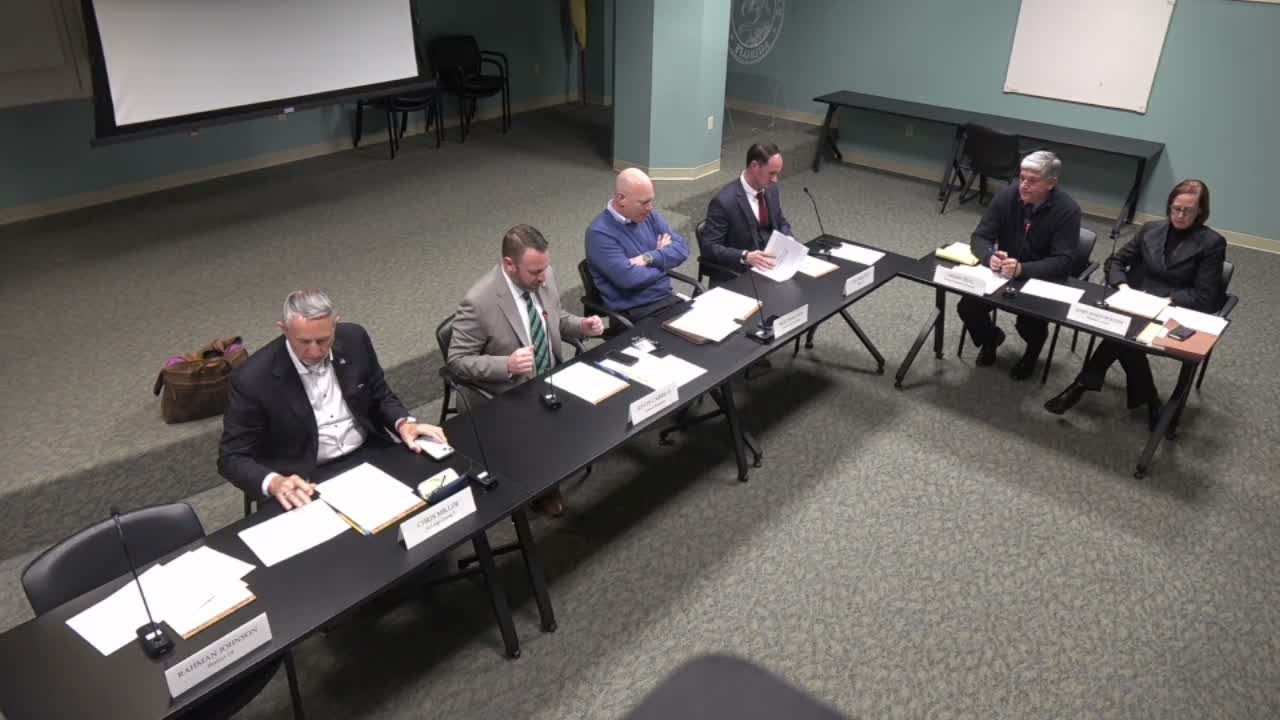
Personnel committee: council office morale jumps; staff weigh continuing vendor surveys
Summary
A personnel committee update reported large gains on a follow-up employee survey for the City Council office, with several categories rising well above national benchmarks; staff recommended continued follow-up and in-house options to sustain improvements and address remaining concerns about evaluations and workplace conduct.
The Jacksonville City Council Personnel Committee heard results from a follow-up employee survey on Tuesday, with presenters reporting large gains in morale, recognition and confidence in leadership and staff proposing continued follow-up to maintain momentum.
The survey, presented by Debbie Wilkes, a labor relations officer and employee engagement expert, and introduced by Todd Norman, the city’s chief of employee and labor relations, used the same questions as the original assessment and compared results to a national benchmark. Wilkes summarized a broad set of improvements: “the overall morale went from 13% to 89 and a half percent,” and several leadership and role-related measures rose by double digits.
Wilkes told the committee employee engagement and job satisfaction increased from about 63% to over 80%, pride in working for the council rose by nearly 18 percentage points, meaningful work measures reached roughly 94.6%, and confidence in leadership for the future improved by about 61.7%. She said training, resources and perceived fairness also improved, though some categories remain slightly below benchmarks.
Committee members praised the results. Todd Norman said the first survey provided a ‘‘road map’’ for leadership changes and recommended continuing periodic follow-ups to measure sustained progress. Norman confirmed the council’s contract with vendor Beyond Feedback ended in November but said the city can use other anonymous follow‑up tools or work with in‑house talent development to maintain momentum.
A vice president on the committee asked whether the survey limited multiple votes per respondent and whether the council secretary could have skewed results; Wilkes replied there was a one‑time limit and the survey was not sent to the secretary. Several members, including Colonel Miller, noted a small number of remaining negative comments — references to gossip, bullying and a lack of annual evaluations — and urged the committee to treat those as actionable items rather than dismiss them.
The secretary (unnamed) said he has spent his first 10 months assessing office culture, asked leadership teams to identify training opportunities, and is ‘‘formulating a response’’ to concerns about evaluations and workplace conduct; he did not announce a formal plan or timeline but said follow‑up would occur.
Committee members did not take formal votes at the meeting. Several speakers said they would work with council leadership and staff to explore whether to renew external survey services or use internal tools to continue anonymous check‑ins. The meeting adjourned without any formal motion.
What happens next: staff said they will continue to gather information and help design follow‑up options; the committee did not set a public deadline for a decision on continuing the vendor or a timetable for implementing specific training or evaluation protocols.