
KNI and Parsons superintendents, advocates press lawmakers on IDD care, CMAs and cooks funding
Get AI-powered insights, summaries, and transcripts
Subscribe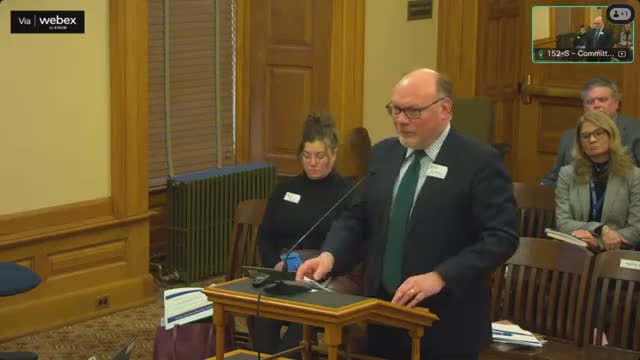
Summary
Kansas Neurological Institute and Parsons State Hospital leaders and family advocates told the committee that specialized medical and behavioral needs at IDD facilities require funding for Certified Medication Aids and cooks to free direct‑care staff for behavioral work; KNI reported a drop in vacancy from 27.5% to 10.8%.
Leaders from the Kansas Neurological Institute (KNI) and Parsons State Hospital and family advocates told the Committee on Social Services Budget that residents with intellectual and developmental disabilities require specialized staffing and supports — and they urged lawmakers to fund positions flagged in agency budget requests.
Blaine Tanner, superintendent of KNI in Topeka, said KNI serves 114 residents across 19 residential lodges, many with high medical and behavioral needs (35% of residents have lived at KNI more than 50 years). Tanner said the facility was cited in an August 2023 KDHE survey for staffing structure and is requesting funding for 21 Certified Medication Aids (CMAs) to bring medication administration under medical‑side oversight and to meet CMS guidance; the CMA request was not included in the introduced bill. He also described a request of about $1,000,000 for cooks who would prepare therapeutic and consistency‑specific diets that reduce aspiration risk and free direct‑care staff to deliver behavioral supports.
Tanner reported vacancy improvement: the KNI vacancy rate fell from 27.5% (June 2024) to 10.8% in the latest report, but turnover continues. Parsons superintendent Mike Dixon described Parsons’ population (about 150 youth ages 12–21 with very high acuity; 87% dual diagnosis; many requiring 1:1 care) and said vacancy dropped from 24.2% to 18.2% after bonuses and pay increases.
Parent advocate Joan Kelly presented a video and testimony highlighting families’ needs for intensive, specialized residential care for severe/profound autism and urged continued investment in facilities and services. Amy Campbell of the Kansas Mental Health Coalition reinforced the message that adding beds and staffing for specialized programs is necessary but that opening a new regional hospital will not by itself resolve statewide capacity and wait‑list pressures.
Ending: Committee members thanked advocates and staff. No budget votes were taken; the committee will weigh these program requests as it prepares recommendations for appropriations.