Senate panel hears bill to make counterfeit leases a felony after spate of squatting cases
Loading...
Summary
Senate Bill 82 would add counterfeit leases and rental agreements involving real property to Maryland's felony code, sponsors say it closes a gap that has left homeowners with only misdemeanor remedies; industry groups and homeowners testified in support while committee members sought drafting clarifications.
Senator Watson asked the Judicial Proceedings Committee for a favorable report on Senate Bill 82, which would add counterfeit leases and rental agreements for real property to Maryland's felony statutes. "This bill is simple," he told members, citing a recent Bethesda case where a person who occupied a $2.3 million home received a custodial penalty limited to 90 days and a $500 fine under current law.
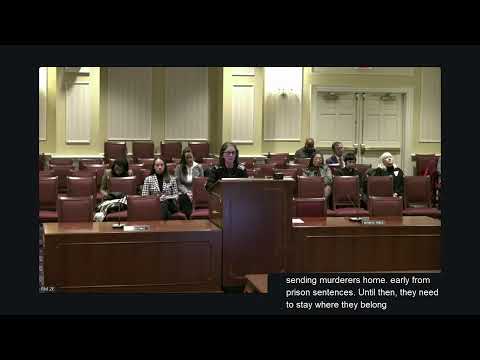
Proponents said the change fills a statutory gap. Erin Greenfield of the Maryland Multihousing Association said rental fraud is widespread and growing, citing Federal Trade Commission reporting and industry surveys. "Bad actors often use fake listings and fraudulent lease documents to elicit deposits," she said, and urged committee members to advance the bill. Edna Reynolds, a Prince George's County resident, described an incident in March 2025 in which unauthorized occupants changed locks, disrupted the neighborhood and prevented a showing, testimony she said supports the bill's urgency.
Committee questions focused on the bill's scope and safeguards for people who may have been duped. Senators proposed clarifying that the statute applies to "leases of real property" and discussed distinguishing creators of counterfeit leases from occupants who possess documents without fraudulent intent. Sponsor Watson said paragraph (b) already targets possession only when there is fraudulent intent and welcomed technical edits and coordination with the Office of the Public Defender.
The hearing closed with members signaling interest in technical amendments to make the bill's target and mens rea explicit. The sponsor asked for a favorable report to move the measure forward in the legislative process.