Committee considers narrow carve-out to let trained fair-housing testers record conversations
Loading...
Summary
Senate Bill 180 would create a limited exception to Maryland's two-party consent recording rule to allow trained fair-housing testers to make recordings used only for enforcing fair-housing laws; proponents say recordings are the best evidence, opponents warn about privacy erosion and weak evidence handling standards.
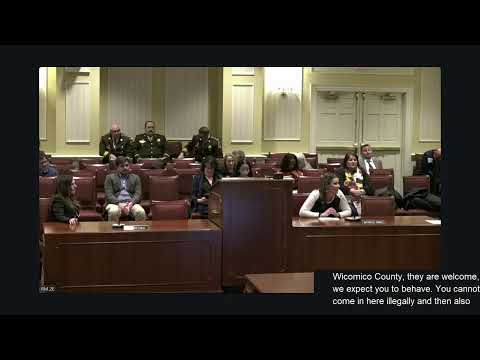
Senate Bill 180 returned to the Judicial Proceedings Committee with sponsors saying the measure creates a strictly limited exception to the state's two-party consent rule for trained fair-housing testers who are gathering evidence of housing discrimination.
"This would allow you to actually put the recording in front of the judge so the judge could hear what was said," Jonathan Smith of the Attorney General's civil rights division told members, urging a favorable report. Proponents, including civil-rights groups and the National Fair Housing legal community, said recordings are often the clearest evidence of discriminatory statements or steering and that a tightly circumscribed program of certified testers minimizes privacy harms.
Property management and landlord groups, represented by the Maryland Multihousing Association and retired law-enforcement witnesses, opposed the change. They argued Maryland's two-party-consent law is a strong privacy protection and voiced concerns about chain-of-custody, equipment standards, the risk of recording bystanders, and the lack of probable-cause or judicial review before an audio is used in enforcement. "Allowing an exception like this erodes these protections," Aaron Greenfield of the Maryland Multihousing Association said.
Committee members asked whether the bill permits wiretaps or covert bugs; sponsors said the text is limited to testers who are parties to the conversations and does not permit general wiretapping. Proponents proposed strict training, certification and limits on who may use recordings and for what purpose.
The hearing did not produce a vote; sponsors said they would work with the committee on technical language to protect privacy while enabling enforcement.