
Subcommittee tables bill to ban water fluoridation after competing health testimony
Get AI-powered insights, summaries, and transcripts
Subscribe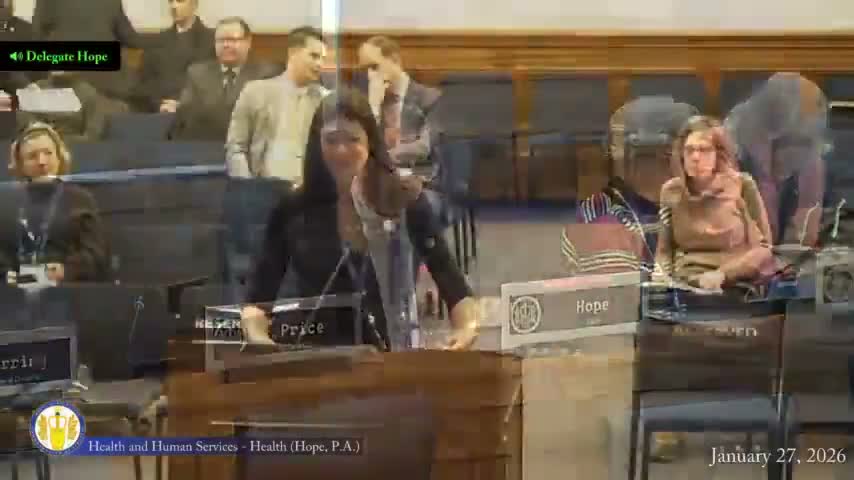
Summary
House Bill 537, which would prohibit adding fluoride to public drinking water statewide, was tabled by a 9–0 vote after testimony from both supporters who called for informed consent and opponents including dental and public-health organizations who defended fluoridation as evidence-based and cost-effective.
Delegate Delia Hamilton presented House Bill 537, which would prohibit adding fluoride compounds to public drinking water across Virginia. Hamilton framed the bill as protecting informed consent and argued that fluoride is a drug used to treat tooth decay and that modern science and recent federal findings warrant reconsideration of mass fluoridation.
Supporters who spoke in favor included Dr. Sheila Fury, who said she represents the Virginia Medical Freedom Alliance and the National Organization of Stand for Health Freedom and asserted that federal agencies have "said under oath that fluoride is not safe," and Kimberly Dyke Harsley (online), who said fluoridation disproportionately burdens melanated and low-income communities. Dr. Fury alleged instances of high levels of fluoride in Richmond's water and cited concerns about neurotoxicity and infant exposure.
Opponents included Tripp Perron of the Virginia Dental Association, which represents nearly 4,000 dentists; Perron said fluoridation reduces cavities by about 25% and that every dollar spent on fluoridation returns about $20 in avoided dental treatment. Lauren Eglinton of Virginia Health Catalyst opposed the bill, saying nearly all Virginia public systems maintain the CDC-recommended 0.7 mg/L level and that fluoridation is an equitable, cost-effective prevention strategy; she cited studies and international examples where cessation led to increases in dental disease. Barrett Hardin of the Virginia Dental Hygienists Association also opposed the bill.
After questions and debate, Delegate Rasul moved to lay the bill on the table; the motion was seconded and passed by a roll call vote of 9 to 0, tabling HB537.
The hearing included several factual claims from both sides about health effects, exposure levels and federal agency positions. Committee members asked clarifying questions and cited CDC materials in the discussion; no final policy decision on fluoridation policy was made beyond tabling the bill in committee.