
House and providers spar over 340B changes as Senate subcommittee hears SB 278
Get AI-powered insights, summaries, and transcripts
Sign Up Free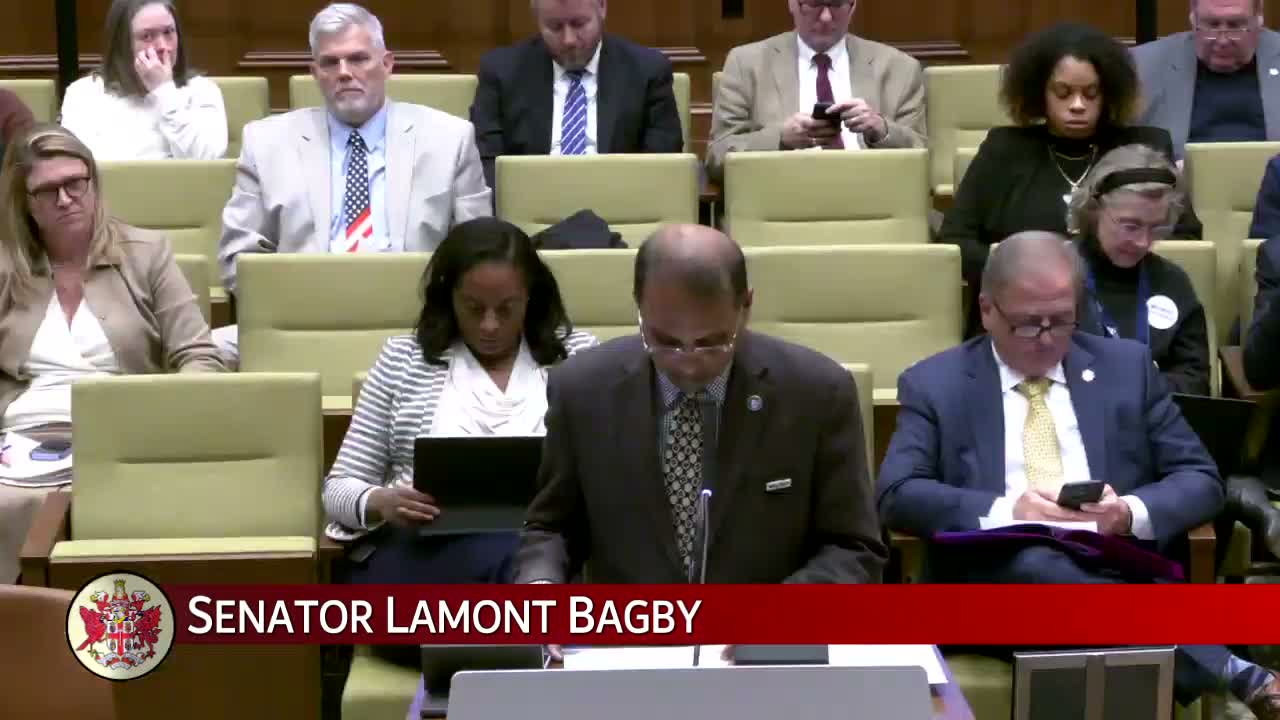
Summary
SB 278 would adjust 340B program enforcement and penalties in Virginia; hospitals and community clinics clashed over transparency, contract-pharmacy limits and whether the bill protects patient access or industry profits.
SB 278 returned to the subcommittee Jan. 27 with a proposed substitute that removes licensing penalties and ties compliance to existing civil financial penalties.
Sponsor: The senator said the substitute removes a provision that would penalize licensure and instead relies on a $5,000 per-incident civil penalty already in state code; the change aims to preserve access to discounted drugs under the 340B program while addressing stakeholder concerns about penalties that could deter participation.
Opposition: Nicole Pallywood, testifying on behalf of pharmaceutical interests, urged opposition and said the bill would codify a program flaw: "This is not an access issue... This bill is about profit, not access," she said, arguing that 340B entities often do not pass discounts to patients and that the program lacks transparency and accountability.
Support: Representatives of federally qualified health centers, including Michael Jackson of the Virginia Community Healthcare Association and Tracy Kazi of Capital Area Health Network, said the bill supports clinics that provide care to vulnerable patients. Michael Jackson said FQHCs have added tens of thousands of patients since 2024 and argued that restrictions on contract pharmacies have reduced clinics' financial capacity to serve patients.
Discussion focused on transparency and data: opponents pressed for claims-level data and reporting to show where discounts and revenues flow; proponents said covered entities report to HRSA and that the committee should craft targeted transparency requirements rather than broad restrictions that could limit access.
Outcome: The subcommittee voted to report the substitute to the full committee with recorded but partial roll-call results; the sponsor said she will continue working with stakeholders on transparency and accountability measures.
What's next: The substitute will go to the full committee; sponsors indicated further stakeholder negotiation on transparency language.