Senate subcommittee debates removing COPN for maternal and perinatal services
Loading...
Summary
Supporters say exempting pregnancy- and infant-related projects from Virginia's Certificate of Public Need would expand access in underserved areas; hospital groups and neonatal-care advocates warned it would remove oversight of neonatal intensive care units and could lower quality.
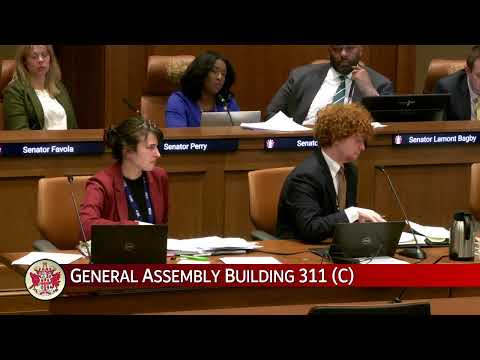
Senators heard competing arguments Jan. 27 over SB 168, which would exempt projects tied to pregnancy, childbirth, postpartum care and infant care through 12 months from Virginia's Certificate of Public Need (COPN) requirements.
The bill's sponsor told the subcommittee the measure would remove state approval hurdles that can delay new services tied to maternal and perinatal care. "Virginia normally requires state approval before hospitals or providers can add beds, open facilities, buy major equipment, or expand services," the sponsor said, and SB 168 "says none of that approval is required if the project is tied to pregnancy, childbirth, postpartum care, or infant care through 12 months."
Brent Rawlings of the Virginia Hospital and Healthcare Association urged opposition. He told the panel COPN already does not apply to many maternal services and that removing NICUs from COPN oversight would be "very disconcerting." Rawlings said research shows low-volume neonatal intensive care units can have lower quality and that regionalized planning helps ensure sufficient volume for safe care.
Supporters including Skye Riggle of Americans for Prosperity and a representative from the Institute for Justice argued COPN laws have failed to deliver promised benefits and can impede access in rural and underserved communities. Riggle cited studies by the Federal Trade Commission noting certificate-of-need laws have not met intended goals and said the exemption would help address "health care deserts" and long travel times to birthing centers.
Committee members asked several technical questions about the bill's scope. Counsel and witnesses confirmed the draft language would broadly exempt "any project or action related to maternal and perinatal health services, including but not limited to" neonatal intensive care units and other specialized units, which drew concern from hospital advocates that the change could create a "massive gap in the law." Several senators suggested narrower language or clarifications to ensure an exemption would not permit nonclinical facilities to avoid oversight.
At the close of discussion the committee took a procedural vote to report the bill forward for further consideration.
What's next: SB 168 was reported out of the subcommittee to the full committee for further action.