
Senate advances bill (SB52) creating 90-day quiet period for systemic voter-roll purges amid partisan debate
Get AI-powered insights, summaries, and transcripts
Sign Up Free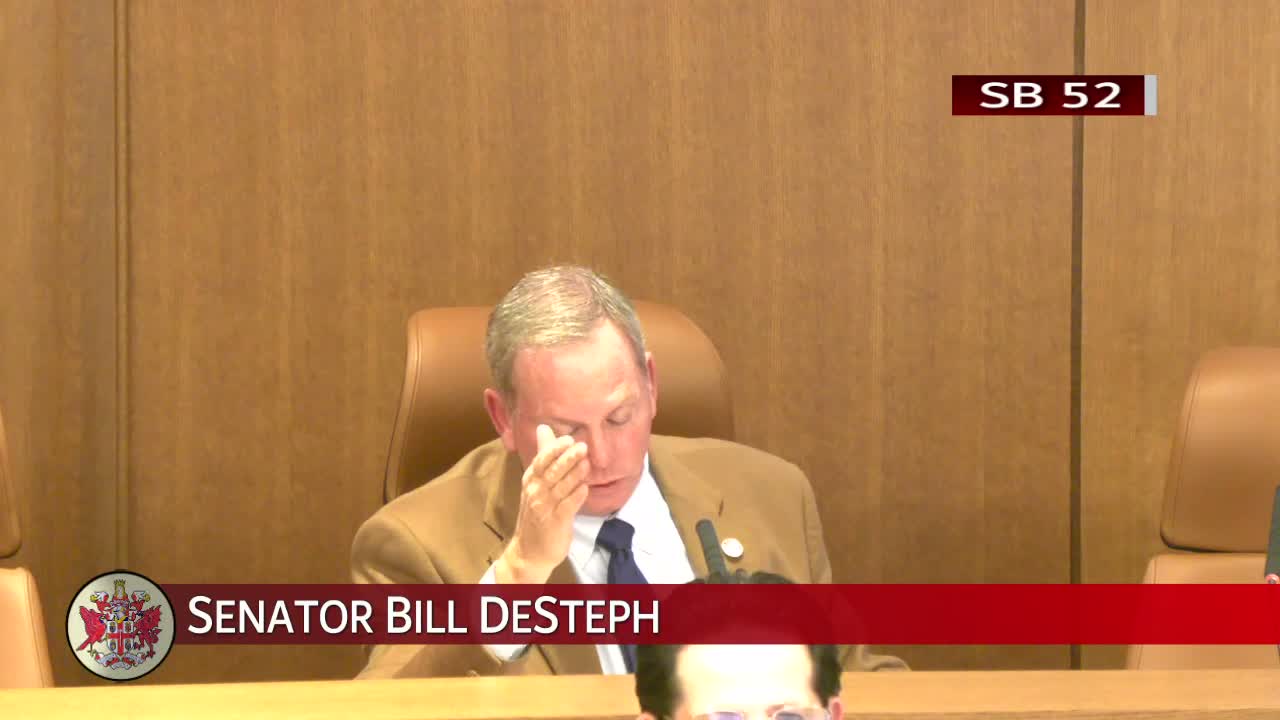
Summary
SB52 would require systemic voter-roll maintenance to be completed at least 90 days before an election and extend the response window to 28 days; proponents said it will prevent wrongful purges, while some senators and commentators warned it could impede removal of ineligible registrations.
Richmond — SB52, a bill to block systemic purges of voter registration lists within 90 days of a primary or general election and to extend the response window to 28 days after a cancellation notice, was reported out of the Senate Privileges & Elections Committee on Jan. 28 after vigorous testimony from civic groups and election officials.
Sponsor’s rationale and supporter testimony
The sponsor said the bill protects eligible voters from last-minute administrative or politically motivated purges, citing prior incidents in which eligible voters were removed and subsequently had to re-register. The League of Women Voters, New Virginia Majority, the Virginia Interfaith Center for Public Policy, and immigrant-rights advocates testified in favor, saying the 90-day guardrail mirrors federal practice and would reduce the risk of eligible-voter disenfranchisement while giving registrars more time to notify and cure records.
Opposition and practical concerns
Opponents and skeptical senators argued the measure could prevent timely removal of ineligible voters (noncitizens or those who have moved out of state) and could complicate regular list maintenance. Some commenters noted technical sources of errors (for example, DMV data mismatches) and asked how the bill would interact with existing federal and state data-sharing responsibilities.
Committee action and implications
After extensive testimony, the committee voted 8–6 to report SB52 to the floor. Supporters said the bill is a targeted reform to protect voters facing erroneous cancellations; opponents asked for more precise operational rules to address edge cases. If SB52 advances, the Department of Elections and local registrars will need to coordinate operational guidance with DMV and other data partners to implement the 90-day window while preserving list accuracy.
What to watch
Key implementation questions remain: how the 90-day rule will interact with existing same-day registration procedures and code-mandated list maintenance, the fiscal and staffing burden on registrars, and whether the bill requires changes to data-sharing practices with DMV and federal partners. The committee requested further operational coordination and the sponsor indicated staff guidance will be needed if the bill is enacted.
The committee adjourned after reporting SB52 and other docket items to the Senate floor.