Get Full Government Meeting Transcripts, Videos, & Alerts Forever!
Get email alerts on the Professional Licensure topic
No spam. Unsubscribe anytime.
Board of Licensure and Osteopathic Board recommend merging into single Board of Medicine
Summary
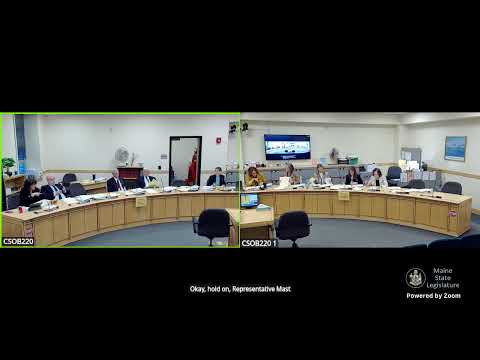
The Board of Licensure in Medicine and the Board of Osteopathic Licensure told the Health Coverage, Insurance and Financial Services Committee they recommend merging into a 22‑member Board of Medicine with equal MD/DO representation, two investigative committees, and retained profession‑specific exams. The draft statute and budget impacts were reviewed.
The Board of Licensure in Medicine and the Board of Osteopathic Licensure told lawmakers they recommend merging the two licensing boards into a single Board of Medicine and submitted draft statutory language for the committee's consideration.
"Our sole purpose is to protect the public," Tim Terranova, executive director for the Board of Licensure in Medicine, told the committee when introducing the report and draft statute. The work group met 12 times in 2025, held public comment sessions and prepared a draft intended to streamline licensing while preserving profession‑specific standards.
The boards propose a 22‑member board that keeps equal representation for allopathic (MD) and osteopathic (DO) physicians and creates two 11‑member investigative committees able to adjudicate complaints. Under the proposal, one complaint committee would investigate and the other would conduct hearings to avoid investigators sitting in on their own hearings. Terranova said this separation responds to longstanding concerns that investigatory members may be privy to information that could bias adjudication.
The draft statute preserves existing profession‑specific training and examination requirements, Terranova said, and would allow additional license types for DOs, aligning administrative license offerings across practitioners. He also described an approach to merge budgets and cover one‑time consolidation costs from reserves; the board projects merged administration will be cost‑neutral for the near term and yield savings for licensees over time under several staffing scenarios.
Committee members asked about several outstanding policy choices left for the Legislature, including whether to add statutory term limits for board members, how to treat a statutory FOA (freedom of access) personal‑safety carve‑out that is the subject of ongoing litigation, and whether to raise the statutory fee cap (the presenters suggested a higher cap to allow future fee adjustments without immediate legislative return).
The presenters also recommended dissolving an obscure interstate consultative telehealth registration (52 registrants), and discussed practical issues for physician associates whose duplicate numbering systems will require limited renumbering of active licensees.
The committee received the presentation, asked clarifying questions about the draft statute and budget estimates, and indicated staff will prepare for a follow‑up work session. Lawmakers did not take a vote at the hearing; staff asked for time to prepare a bill and recommended rules and cross‑statute updates if the committee moves forward.