
Maine bill would rewrite mandated‑reporting rules, remove civil penalty and set 48‑hour timeline
Get AI-powered insights, summaries, and transcripts
Subscribe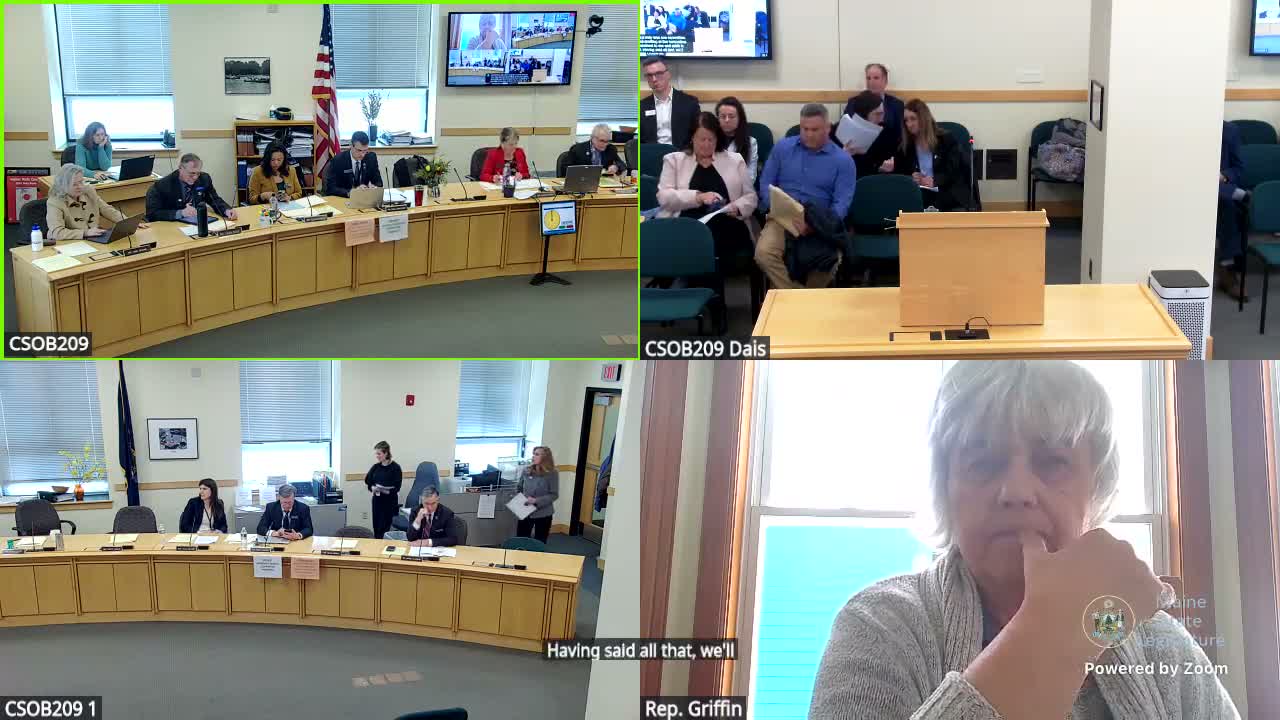
Summary
Representative Michelle Meyer's LD 2105 would streamline mandated‑reporting by replacing a profession list with role‑based definitions, removing a civil penalty, setting a 48‑hour reporting timeline, and boosting training. Supporters say it reduces defensive over‑reporting; some education and provider groups urged clarifications to limit scope.
Representative Michelle Meyer urged the Joint Standing Committee on Health and Human Services to support LD 2105, saying the bill will clarify who must report suspected child abuse and neglect and improve training for mandated reporters.
"Changes in LD 2,105 will streamline reporting requirements, increase training, and provide more clarity on who, in what circumstances, and on what timeline reporting is required," Meyer told the committee. She cited 2024 data showing "90% of all reports did not result in findings of abuse or neglect," saying the current system can prompt defensive and confusing reporting.
Nut graf: Lawmakers and advocates said the proposal aims to reduce paperwork and over‑reporting by defining reporters by the nature of their professional role rather than by a long list of professions, replacing the vague term "immediately" with a 48‑hour deadline, and increasing core and supplemental training. Supporters argue these changes will let child‑welfare staff focus on higher‑risk cases; critics warned the bill could widen who is obligated to report or remove important safeguards.
Supporters, including Melissa Hackett of the Maine Child Welfare Action Network, told the committee the bill resulted from a multiyear review and broad stakeholder input. "This bill would remove the civil penalty to align with emphasizing education to support appropriate reporting," Hackett said, arguing that penalties can prompt "defensive over‑reporting" that floods the system and obscures serious cases.
Some health‑care and education witnesses urged changes. Mark Moran of Northern Light Health said a statutory provision the bill would repeal, Title 22 §4009, "has never been applied and has no enforcement mechanism," and supported repeal but recommended clarifying language so the duty to report applies to adults acting in a professional capacity. School leaders said requiring the person with first‑hand information to file a report could upend school practice where designated agents (principals or counselors) traditionally submit reports after gathering context.
The Department of Health and Human Services is working with stakeholders on training and consultation systems, Hackett and other witnesses said. The bill authorizes increased frequency of training and foresees supplemental modules tailored to professions such as dentists, nurses, school staff and hospital personnel.
Committee members asked for more detail at work session about practical implementation — for example, how consultation and "train‑the‑trainer" systems would work and whether statutory language should limit reporting obligations to activities performed in a professional capacity. The committee closed the LR 2105 public hearing and requested a work session to consider amendments and technical fixes.
The hearing record contains written testimony from health systems and school associations urging clarification on language that could be read to expand the category of mandated reporters, and asking that the bill preserve consultation pathways and carefully define timing and responsibilities.