
Stuart Little briefs Douglas County on fast-moving 2026 Kansas legislative session, highlights property-tax debate and housing package
Get AI-powered insights, summaries, and transcripts
Sign Up Free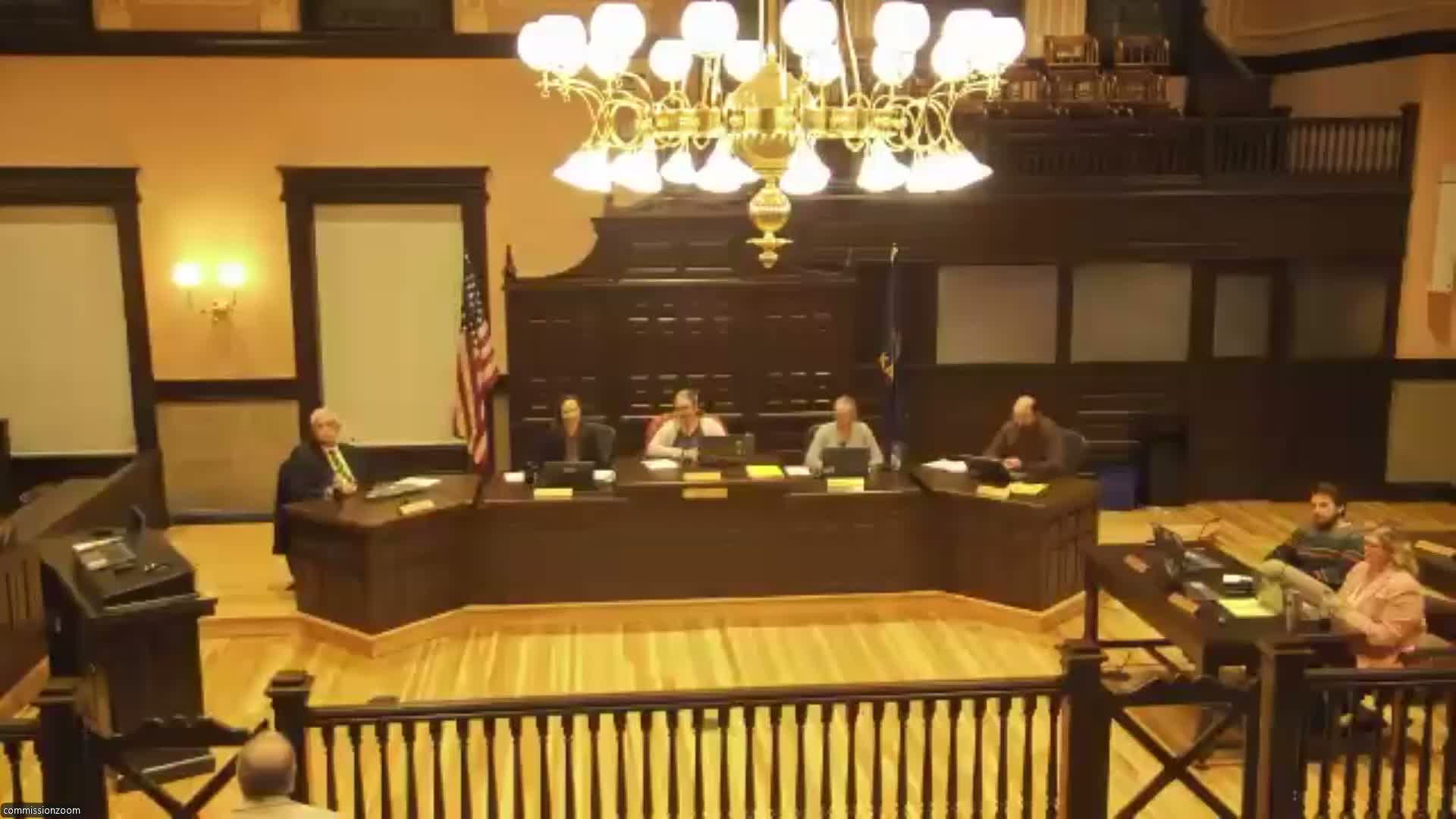
Summary
Little Government Relations told the Douglas County Commission that the 2026 Kansas legislative session is compressed and active; he emphasized a likely property-tax ballot push (a proposed 3% cap constitutional amendment passed committee in the senate), heavy housing legislation activity, and a variety of bills that could affect county operations including naloxone-use rules and election timing proposals.
Stuart Little of Little Government Relations briefed the Douglas County Commission on the early, fast-paced 2026 Kansas legislative session.
“The session is moving quickly,” Little said, noting a March 27 target for concluding the regular session and the legislature’s recent move to assert more direct control over budget decisions. He said legislative leadership signaled intent to pursue further budget cuts.
Little highlighted renewed momentum behind property-tax changes, including a constitutional-amendment proposal that would cap annual increases in appraised valuation at 3%. “It passed out of the committee this morning, and it will very likely be able to get 21 votes in the senate,” Little said, while cautioning that the measure faces an uncertain path in the House.
He also summarized other bills of interest to local governments: a treasurer’s motor-vehicle fee proposal that had not advanced, proposals tied to World Cup 2026 (a transit or guest-room tax issue), and an unusual Senate bill (SB 319) that would require a tax rebate if a home sells for less than 97% of appraised value. Little said bipartisan housing packages are moving, addressing eviction reform, source-of-income protections and a baseline property-maintenance code, and discussed proposals recognizing community land trusts for appraisal clarity.
On public-health measures, Little noted a bill to allow use of expired naloxone received bipartisan support in committee; sponsors and advocates argued existing expiry practices discard millions of doses that remain effective beyond printed dates.
Commissioners asked about specific bill drafts and process steps; Little agreed to monitor developments and return updates as bills move through committee.
The item was presented for information only; no commission action was required.