State details mitigation plan: automation, staffing, and community outreach to limit coverage loss

Appropriations Committee · January 21, 2026

Get AI-powered insights, summaries, and transcripts

Subscribe
AI-Generated Content: All content on this page was generated by AI to highlight key points from the meeting. For complete details and context, we recommend watching the full video. so we can fix them.

Summary

Maryland agencies described operational steps—data exchanges, expanded call centers, automated document processing, supplemental staffing, and community partnerships—designed to prevent administrative churn when HR 1 eligibility and verification rules take effect.

At the Appropriations Committee briefing, Maryland agencies outlined concrete operational plans intended to limit benefit losses caused by HR 1 implementation and verification requirements.

MDH, DHS and Maryland Benefits (formerly MD THINK) said they will use cross‑agency data matches, automation and expanded staffing to reduce manual renewals and documentation burdens. MDH and MHBE noted partnerships with CRISP, Department of Labor, and SNAP data to flag exemptions automatically; DHS said it is expanding its SNAP employment and training partner network and building screening tools to identify exemptions and reduce staff workload on ABOD SNAP cases.

Agencies described timelines and resource needs: testing for new work‑requirement portals and interfaces was slated for August 2026, notices to affected enrollees will begin in August as a federal requirement, and MDH said appeals processes will be expanded though details depend on forthcoming CMS guidance. DHS reported it had reduced eligibility staffing vacancies dramatically (from double digits to about 4%), increased community partner funding and automated document verification to speed processing.

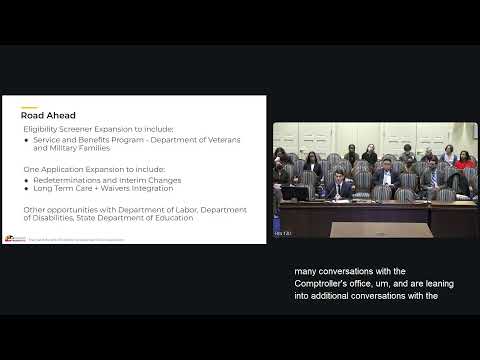
Maryland Benefits described a consolidated eligibility screener and single application with mobile‑first design that has processed hundreds of thousands of sessions and reduced average application times from about 70 minutes to about 28 minutes; officials said the platform will be central for redeterminations and interim changes going forward.

Committee members asked how FQHCs and emergency rooms will absorb uninsured patients if disenrollments occur; MDH said FQHCs still provide primary care access and EDs must treat emergencies under federal law, while acknowledging uncompensated care costs will rise if disenrollments materialize.

Agencies committed to continuing to report metrics and to additional briefings as implementation proceeds.