Get Full Government Meeting Transcripts, Videos, & Alerts Forever!
Get email alerts on the Faith Property Housing topic
No spam. Unsubscribe anytime.
Two bills address building affordable housing on faith-owned land; one would create a sales-tax exemption
Summary
HB 18-59 would lower the density-bonus affordability threshold for faith-owned property to 50% and create a new state-and-local sales/use tax exemption for qualifying projects (50% affordable for at least 10 years); supporters say the change helps projects 'pencil out' while counties warn of potential unfunded planning workload.
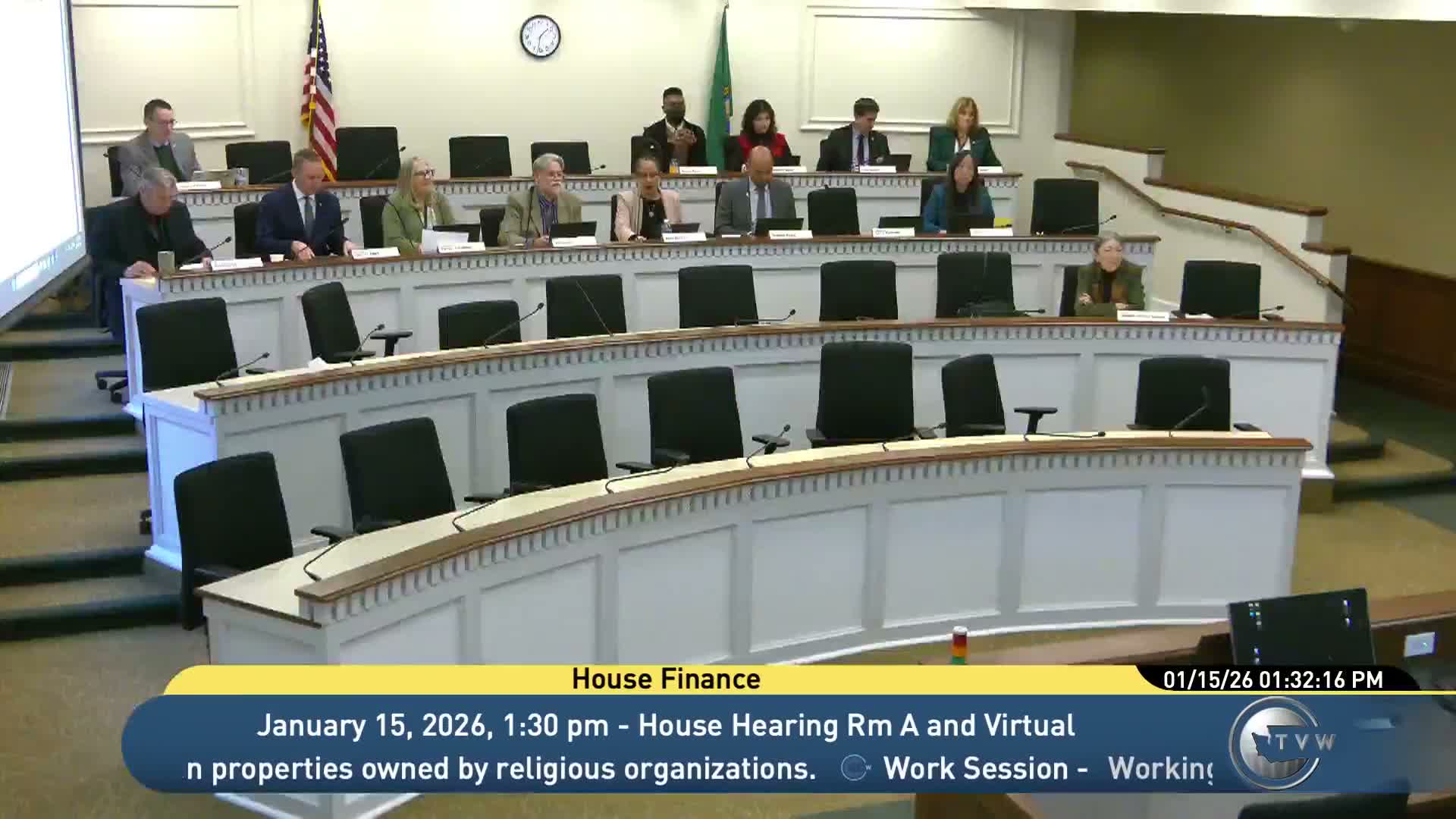
A bill that aims to unlock underused religious property for affordable housing returned to the House Finance Committee, drawing broad support from faith leaders, cities and housing advocates and questions from counties about implementation costs.
Committee staff Serena Dolly summarized the substitute for House Bill 18-59, saying it reduces the threshold needed to qualify for a density bonus on property owned or controlled by a religious organization to 50% affordable units, requires a city or county to develop policies to implement the density bonus upon request, and creates a new sales-and-use tax exemption for affordable housing projects owned by, built on land owned by, or built in partnership with a nonprofit religious organization. The staff briefing said the exemption would cover both state and local taxes and, in the version described to the committee, requires that at least 50% of units be maintained as affordable for a minimum of 10 years.
Rep. Osman Salahuddin, the bill's prime sponsor, told the committee the change builds on earlier 2019 work and is intended to help projects that have not been financially viable under prior rules. "We will forego that limited amount of sales and use tax revenue," Salahuddin said, "but it does come with that exchange of guaranteed affordability, reduced reliance on public subsidies, and housing that would otherwise not be built at all."
Many faith-based organizations and municipal leaders testified in support, giving examples of completed or planned projects on church land and arguing the policy would let mission-driven property owners partner with developers. "We are land rich and cash poor," said Reverend Shalom Akhtarap of Tacoma; "this bill will help future developments actually pencil out."
Local officials described practical successes and limitations. Dave Hamilton, deputy mayor of Bellevue, said his city implemented the underlying statute in 2021 and has seen religious organizations dedicate land to entirely affordable projects but that reliance on 100% affordability can stall projects waiting on public funding; he praised the bill's added flexibility and tax exemption as ways to move projects forward.
Counties expressed concerns about administrative burden. Curtis Steinhauer of the Washington State Association of Counties said a provision would require counties to update development regulations when qualifying organizations request it, creating an "unfunded mandate" unless the legislature provides resources to support planning departments.
Staff also referenced an earlier fiscal estimate tied to a Senate companion: Department of Revenue estimated no General Fund impact in the current biennium and an approximately $1,200,000 impact in the next biennium. Committee members and witnesses discussed whether homeownership should be explicitly included; several witnesses urged adding homeownership language or amendments to ensure both rental and ownership models can use the tool.
The committee closed public testimony and later moved on to a work session; no formal vote on HB 18-59 is recorded in the transcript.