
Springfield committee hears "History Beyond the Tracks" plan to highlight Black landmarks
Get AI-powered insights, summaries, and transcripts
Subscribe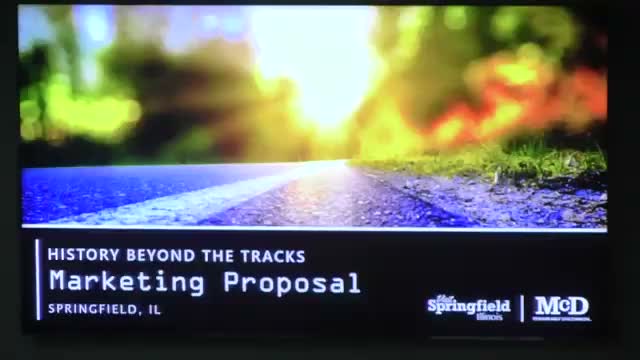
Summary
A marketing and preservation plan presented to the Committee of the Whole proposes a citywide heritage trail of historically Black sites, with wayfinding, murals and self-guided tours; staff said funding must be secured before full rollout, and aldermen urged early low-cost steps.
Manny Nicholson, a consultant with McDaniels Marketing, told the Springfield Committee of the Whole on Jan. 27 that "History Beyond the Tracks" is a citywide preservation and tourism initiative focused on historically significant African American landmarks primarily east of 11th Street.
Nicholson said the plan aims to bring several sites into a cohesive visitor experience rather than treating them as isolated locations. "The mission focuses on strengthening tourism assets while respecting the historic significance of each site," Nicholson said, outlining priority sites including the Amber Dexter Institute, Engine House No. 5, the Lincoln Colored Home and the Lee Medical Building.
Aldermen pressed on budget and timing. Alderman Gregory noted an earlier city resolution that committed $1,300,000 to the initiative and urged the team to pursue early, affordable work such as fencing, wayfinding signs and exterior improvements to get visible progress this year. Nicholson responded that staff and partners must first assess site readiness and funding sources, but that wayfinding units and wayside signage are lower-cost, high-impact first steps.
The plan calls for a unified visual identity, digital and print storytelling, high-quality photography and a coordinated public-relations launch to attract cultural-heritage travelers. Nicholson also recommended self-guided walking tours supported by QR codes and digital narratives to make historical content accessible.
Council members and staff emphasized partnerships and benchmarks. Committee members asked that the Growth Alliance and local cultural organizations be part of implementation and requested quarterly updates on benchmarks and funding searches. Nicholson and staff said the plan includes measurable success criteria—visitor-ready sites, consistent messaging and high-quality signage—and that federal grant opportunities or a potential National Monument designation for events around the 1908 race riot could significantly elevate the initiative's profile.
The committee did not adopt a separate funding appropriation during the presentation. Directors said they would work with the administration during budget season and pursue grants and outside funding while prioritizing lower-cost early actions.