Oklahoma Veterans Agency Seeks $63M to Shore Up Homes, Capital Needs and Outreach
Loading...
Summary
The Oklahoma Department of Veterans Affairs requested $63 million in state funding — including $7 million for capital projects and $16 million for operations — saying recent modernization and staffing changes have improved finances but recognition at one home and staffing gaps require further support.
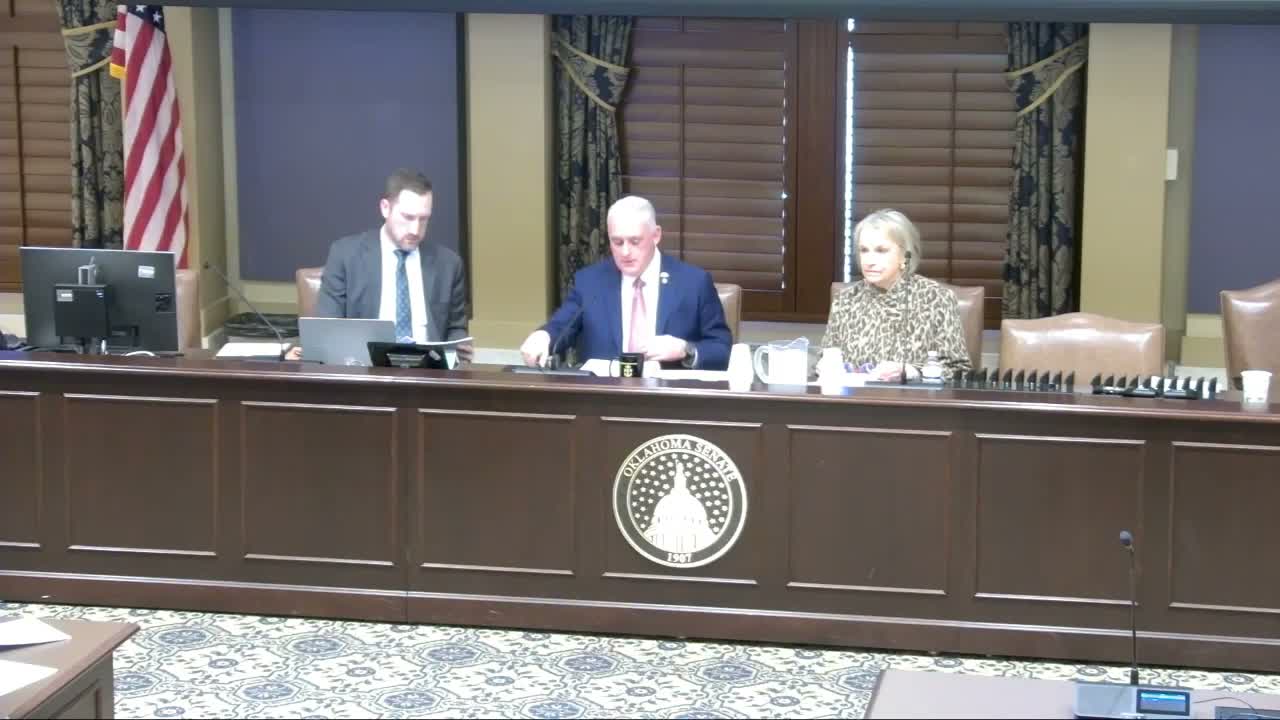
The Oklahoma Department of Veterans Affairs asked lawmakers for $63,000,000 in state funds during a budget hearing, Director Jay Bynum said, citing a $40,000,000 baseline, a $16,000,000 operational increase and a $7,000,000 capital-expenditure request intended to leverage federal matching funds from the U.S. Department of Veterans Affairs.
Bynum told the Appropriations Subcommittee for Health and Human Services that Sallisaw — one of the agency’s veterans homes — was undergoing a VA recognition survey that, if successful, would allow the state home to receive fee-for-service payments from the VA. “With those folks in today, we should know sometime later today or by the end of work tomorrow whether or not Sallisaw is recognized by VA,” Bynum said.
Why it matters: Bynum said the requested $7 million could leverage roughly a 3-to-1 or 3.5-to-1 match, turning a state appropriation into roughly $21 million–$24 million in total modernization and sustainment dollars. He described the $16 million operational request as a fair-share increase tied to a 14% enterprise growth driven by the new facility at Sallisaw.
Bynum said operational reforms — including moving to 12-hour shifts and expanding an on-call (PRN) staffing model — reduced reliance on contract nurses and helped get the homes’ finances “in the black” for the first time since his tenure began. “We were down to single digits of folks in the contract places,” he said, describing an earlier effort to replace costly agency nurses with state hires.
On workforce and capacity, Bynum said the agency’s homes employ nearly all of its roughly 1,900 employees and that filling beds remains the central cost driver. He reported enterprise census rose above 1,000 for the first time since 2019 and said the agency is “on path to be at 1,100 or so this year.” He added that Sallisaw currently had about 20 residents and approximately 200 positions to fill there.
The agency is also investing in outreach and data-driven recruitment to reach veterans. Bynum set a goal of contacting all 261,000 veterans in the state by year-end and said about 110,000 contacts have been made so far. He described a shift from broadcast advertising to social and targeted data-driven outreach and said the agency is exploring AI-enabled tools to increase efficiency.
Committee members pressed Bynum on the requested capital funds and property sales. On Tallahina — a 600-acre facility — Bynum said two offers totaling $1,000,000 were rejected and a recent valuation that accounted for remediation needs put the property near $3,000,000. He said discussions with the administration and the secretary are ongoing.
Next steps: Bynum said he submitted appeals to the long-range capital planning committee for the capital request but had not yet secured that funding. He asked for legislative partnership and oversight as the agency pursues modernization and federal matches.
Ending: The panel thanked the agency for the presentation and moved on to the Department of Mental Health and Substance Abuse Services.