Santa Barbara County urges residents to prepare for wildfires and post-fire debris flows
Loading...
Summary
County officials marked the county's 175th anniversary while warning that terrain-driven winds, recent large fires and post-fire runoff increase wildfire and debris-flow risk; officials urged residents to register at readySBC.org and review evacuation maps.
Santa Barbara County officials used a Spanish-language presentation to mark the county's 175th anniversary and to warn residents about wildfire, earthquake and debris-flow risks tied to local terrain and recent fires. The presentation framed the county's landscape as both an asset and a driver of repeated disasters and urged practical preparedness steps.
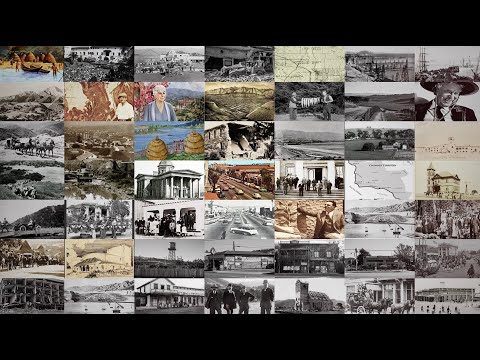
The presentation opened with a historical note: “Acompáñanos en la celebración de los 175 años del condado de Santa Bárbara,” Speaker 1 said, noting the county was founded in 1850. Speaker 1 also cited a 1925 earthquake he described as “aproximadamente 6 coma 8 grados” that damaged or destroyed about 600 buildings, highlighting the county’s long exposure to seismic risk.
Speakers then focused on wildfire and wind behavior. Speaker 2 explained that the Sierra de Santa Inés and other terrain create distinct microclimates and downslope winds that can raise temperatures and accelerate fire spread. Citing past events, Speaker 2 called the 1990 Painted Cave fire “a reference for all major wildfires” for how quickly it moved and how it crossed U.S. 101 into densely developed coastal areas. The speaker also listed recent fires by name — Tea, Jesuita and Thomas — saying the Jesuita burned in May when temperatures reached about 100 degrees and the Tea occurred in November.
Officials warned about post-fire hazards: burned hillsides lose vegetation and can produce much greater runoff even in moderate rain, increasing the risk of major floods and debris flows. Speaker 3 told the audience the county has long been susceptible to debris flows and landslides, referencing a past event in 1969 and a more recent debris flow on “9 de enero” that the speaker said killed 23 people.
The presentation described the county’s mitigation and climate vulnerability assessment as the framework for identifying rising risks and shaping protective measures. Speaker 3 said bringing partners together in the Emergency Operations Center helps ensure consistent messaging and coordinated support during and after disasters.
Officials closed with practical steps for residents: register for emergency alerts at readySBC.org, consult the county’s new evacuation zone map to identify your zone and routes, and identify neighbors who might need assistance in an emergency. “Visite nuestro sitio web, consulte el nuevo mapa de zonas de evacuación, sepa dónde se encuentra en su zona y los múltiples caminos para evacuar,” Speaker 3 said.
The presentation was primarily informational and did not record any formal votes or policy decisions. Officials emphasized preparedness actions and interagency coordination as the next steps.