
House floor debate splits after reports of FBI search at Fulton County election office
Get AI-powered insights, summaries, and transcripts
Sign Up Free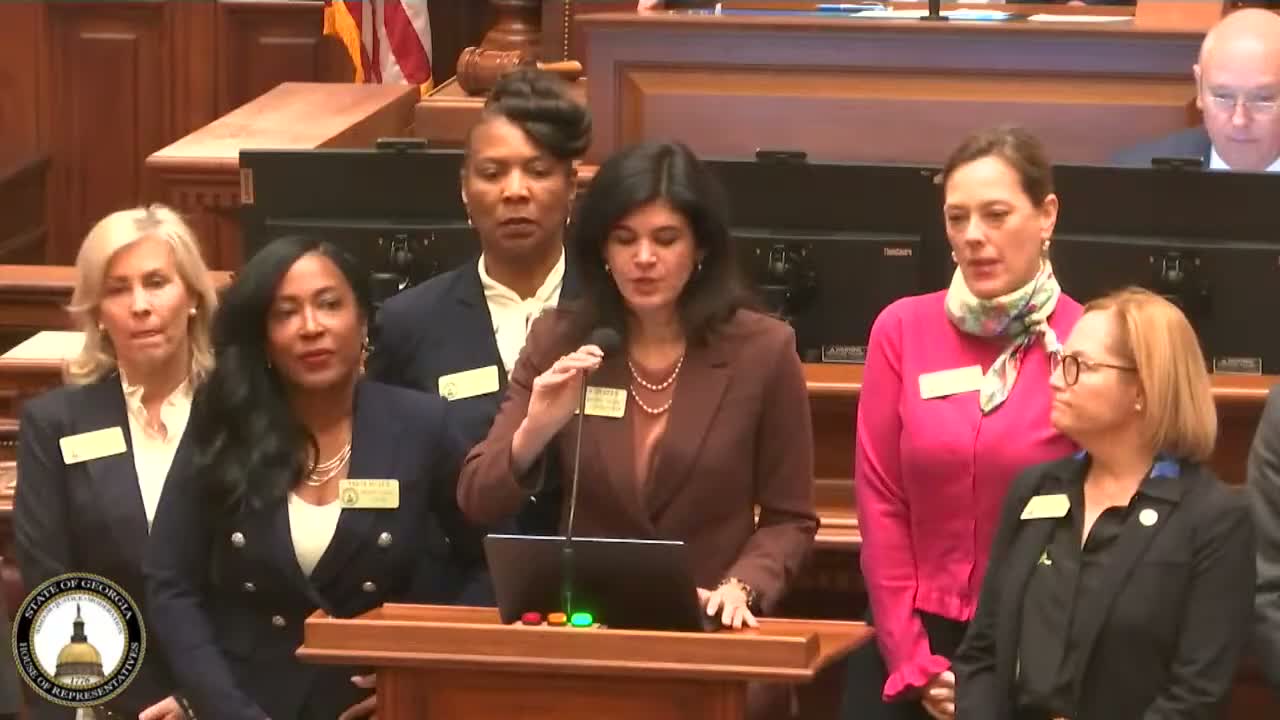
Summary
Lawmakers on Jan. 29 traded sharply different characterizations of an FBI search of Fulton County election offices: some called it an "attack on democracy," while others defended the lawful execution of a federal warrant and urged due process.
Members on the Georgia House floor used afternoon orders Jan. 29 to respond to a federal search of Fulton County election offices the previous day, producing sharp partisan exchanges but no formal legislative action.
Representative Draper described the event as "a full on attack on democracy," saying the seizure of boxes from the Fulton County Elections headquarters represented federal interference with state election functions and warning that the action could be used as a pretext to alter state election oversight. "This is all about the 2026 election and beyond," Draper said on the floor.
Representative Anderson offered a contrasting account, urging confidence in the judicial process and calling the operation the lawful execution of a federal search warrant: "What we saw yesterday was the lawful execution of a lawfully obtained federal search warrant that was signed by a U.S. magistrate court judge," he said, and warned against sensationalizing the event. Anderson noted recent litigation involving the Department of Justice and state election law and emphasized due process.
Other members appealed for restraint and transparency. One member said, "Due process matters. Presumption of innocence matters," and urged the body to seek facts, not fear. Speakers on both sides framed their remarks around the rule of law and public confidence in elections; no motion or floor action followed from the afternoon orders.
The exchanges reflected heightened tensions around election administration in Georgia but remained in the realm of floor commentary rather than formal committee action. Members acknowledged that investigations are not convictions and called for legal processes to run their course.