Get Full Government Meeting Transcripts, Videos, & Alerts Forever!
Get email alerts on the Congo topic
No spam. Unsubscribe anytime.
U.S.-hosted "Washington Accords" praised as a step toward peace in eastern Congo
Summary
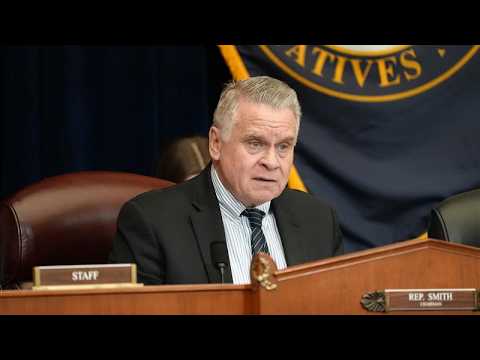
An Unidentified Speaker at a House Committee on Foreign Affairs hearing described last weeks U.S.-hosted meeting that produced the "Washington Accords for Peace and Prosperity" as a historic step toward sustainable peace between Rwanda and the DRC and recounted decades of U.S. advocacy on Congo issues.
Unidentified Speaker praised last weeks White House-hosted gathering that produced the "Washington Accords for Peace and Prosperity," saying the talks aimed to bring an end to decades of fighting in eastern Congo. "I had the honor of attending President Trump's convening of two African leaders to bring an end to the decades of bloodshed and war in Eastern Congo," the speaker said.
The speaker framed the accord as the product of presidential leadership, State Department engagement and sustained staff work, and said that while there have been setbacks, the accord is a well-meaning and well-articulated effort toward sustainable peace between Rwanda and the Democratic Republic of the Congo. They recalled three decades of advocacy on Congo, including past visits to refugee camps and meetings with affected communities, as context for calling the accords a significant development.
The speaker noted the accords were not guaranteed to succeed, citing earlier difficulties in implementing agreements in the region. They urged continued international support and oversight, saying the accords represented an opportunity to translate long-term advocacy into substantive protections for civilians in eastern Congo.
Witnesses scheduled to testify at the hearing included Nicole Witterschein, identified as a former National Security Council Africa director now testifying for Human Rights Watch, among others. The hearing continued with broader discussion about regional instability and humanitarian concerns in neighboring countries.