
Youth lobby urges Vermont legislators to protect climate laws and fund Climate Superfund
Get AI-powered insights, summaries, and transcripts
Subscribe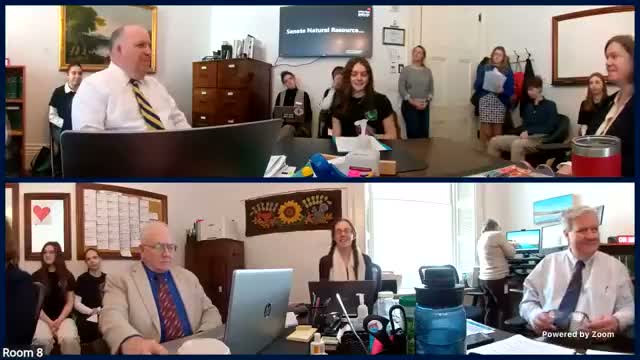
Summary
Youth lobby members told the Senate Natural Resources & Energy Committee they support the Global Warming Solutions Act, Renewable Energy Standard and the Climate Superfund, urging continued funding and accountability for fossil fuel damages to reduce long‑term costs from disasters.
Kristy Sazek, a senior and youth representative on the Vermont Climate Council, told the Senate Natural Resources & Energy Committee on Jan. 29 that Vermont’s recent climate laws must be defended and funded so communities can recover from repeated flooding and other climate impacts. “Allocating funding for this work is absolutely essential to secure the long term benefits of its promises,” Sazek said.
In testimony delivered by three youth lobby members, speakers asked lawmakers to maintain and strengthen the Global Warming Solutions Act, the Renewable Energy Standard and the Climate Superfund. Daniel (identified in the record only by his first name) argued those who profit from fossil fuels should help pay for climate damages and framed the Superfund as both a fairness and fiscal‑responsibility measure. “Every dollar invested in mitigation and resilience reduces future public costs,” Daniel said.
Julia Wolf, an 11th grader from Waterbury, described changes she has observed in Vermont winters and cited recent temperature data to underline the urgency for policy action. She urged lawmakers to preserve laws that she said have set Vermont on a path other states are beginning to follow.
Why it matters: Witnesses told the committee that investing now reduces the future fiscal and human costs of disasters; several speakers tied their testimony to observed local harms from flooding and to the broader policy debate about who bears recovery costs.
What they asked for: The youth lobby asked lawmakers to continue supporting the Climate Superfund and other climate statutes and to ensure those programs receive the funding and implementation needed to deliver resilience and accountability.
What’s next: The committee thanked the students and resumed other agenda items; no formal committee action on these requests was recorded during the Jan. 29 meeting.