Get Full Government Meeting Transcripts, Videos, & Alerts Forever!
House hearing explores tougher disclosure rules, fines tied to profit in Restore Trust in Congress Act
Summary
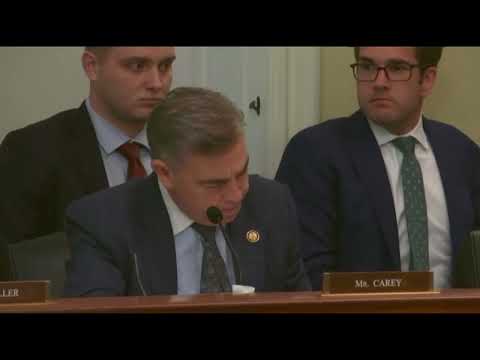
A House hearing probed proposals to tighten members' financial-disclosure rules, including pre-clearance requirements and penalties that would be the greater of $1,000 or profits from illicit trades, as described in the Restore Trust in Congress Act.
A member of Congress pressed witnesses at a House Administration Committee hearing on proposals to strengthen financial-disclosure rules for lawmakers, saying "Americans' trust in Congress is at a 5 decade low." The member directly addressed "Mr. Copeland" and asked what changes would deter insider-style trading by members.
One witness said current disclosure thresholds—"$1,000" and a "45 days" reporting window—are "reasonable," but added that requiring…
Already have an account? Log in
Subscribe to keep reading
Unlock the rest of this article — and every article on Citizen Portal.
- Unlimited articles
- AI-powered breakdowns of topics, speakers, decisions, and budgets
- Instant alerts when your location has a new meeting
- Follow topics and more locations
- 1,000 AI Insights / month, plus AI Chat