Citizen Portal

Congressional hearing questions whether current rules deter member stock trading; witnesses favor independent enforcement in principle

House Administration: House Committee · November 19, 2025

Get AI-powered insights, summaries, and transcripts

Subscribe
AI-Generated Content: All content on this page was generated by AI to highlight key points from the meeting. For complete details and context, we recommend watching the full video. so we can fix them.

Summary

A member of Congress told a House Administration hearing that current rules fail to deter improper trading; two witnesses testified the law is inadequate, said self-policing has not worked and voiced conditional support for an independent enforcement body.

A member of Congress told a House Administration hearing on stock trading that current rules do not adequately deter lawmakers or staff from using office for private gain, and witnesses testified the enforcement regime is insufficient.

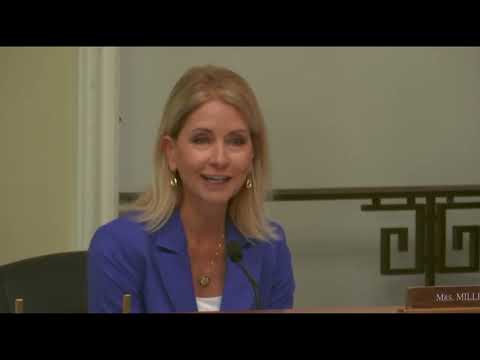
"As a member of Congress, we should be held to a higher standard of personal and professional behavior," the member said, arguing that the actions of the body affect public trust. The member also said members’ portfolios "regularly beat the S and P 500" and raised concern that some members leave office with substantially higher net worths.

A witness (Speaker 2) replied, "The short answer to that is no. I don't think the current law is adequate," and said disgorgement of gains for reporting violations "would make you really, really careful" for large trades. The witness emphasized that enforcement mechanisms matter and that both substantive rules and processes need rethinking.

The witness noted the STOCK Act's current structure, saying enforcement is "reserved to your own bodies, your own ethics offices, or independent committees set up under your own body," and warned that transferring enforcement to the executive branch could raise concerns about partisanship.

Asked whether enforcement should be led by an independent entity operating without interference from the legislative or executive branches, a second witness (Speaker 3) said in principle yes, while reserving judgment on specific proposals. He said enforcement "has to be far less subjective" and that the "self-policing regime has not worked."

The hearing featured questions about penalties and remedies, including fines and disgorgement. Witnesses agreed that larger penalties for major violations and clearer, less subjective enforcement processes could strengthen deterrence.

No formal motions or votes were recorded in the transcript. Lawmakers on the panel asked witnesses to consider specific enforcement designs; witnesses offered high-level support for independent review but said they would evaluate concrete proposals when presented.

The hearing concluded without a recorded decision; members indicated they would continue reviewing proposals to make enforcement more impartial and effective.