Get Full Government Meeting Transcripts, Videos, & Alerts Forever!
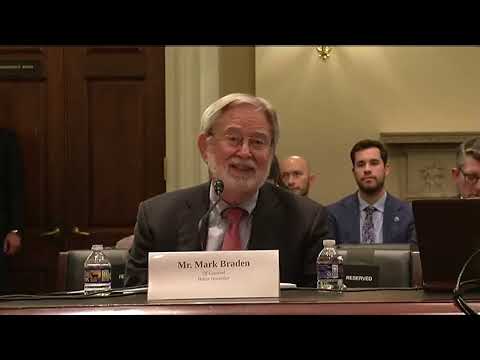
Unidentified witness tells House Administration Committee motor-voter raised registration but flagged voter-roll quality concerns
Summary
An unidentified witness with decades of election-law experience told the House Administration Committee that the National Voter Registration Act ("motor voter") increased registrations but introduced administrative trade-offs that can harm the quality of voter rolls; he urged bipartisan cooperation to address accuracy and public confidence.
An unidentified witness who said he has spent "50 years working on election-related law" told the House Administration Committee that the National Voter Registration Act, commonly called "motor voter," increased the number of registered voters but also introduced administrative trade-offs that can weaken voter-roll quality.
The witness told the committee that important election reforms "have been supported by a majority of Republicans and a majority of Democrats" in the past and cited the Voting Rights Act and the Help America Vote Act (HAVA) as historically bipartisan…
Already have an account? Log in
Subscribe to keep reading
Unlock the rest of this article — and every article on Citizen Portal.
- Unlimited articles
- AI-powered breakdowns of topics, speakers, decisions, and budgets
- Instant alerts when your location has a new meeting
- Follow topics and more locations
- 1,000 AI Insights / month, plus AI Chat