Senate committee hears split testimony on bill to authorize volunteer steelhead broodstock programs
Loading...
Summary
Supporters including anglers and conservation groups urged SB 6,241 to expand angler‑caught wild broodstock programs to boost steelhead runs; scientists and Trout Unlimited warned the committee the approach lacks consistent monitoring and that statutory direction on hatchery management risks sidelining adaptive, science‑based decisions.
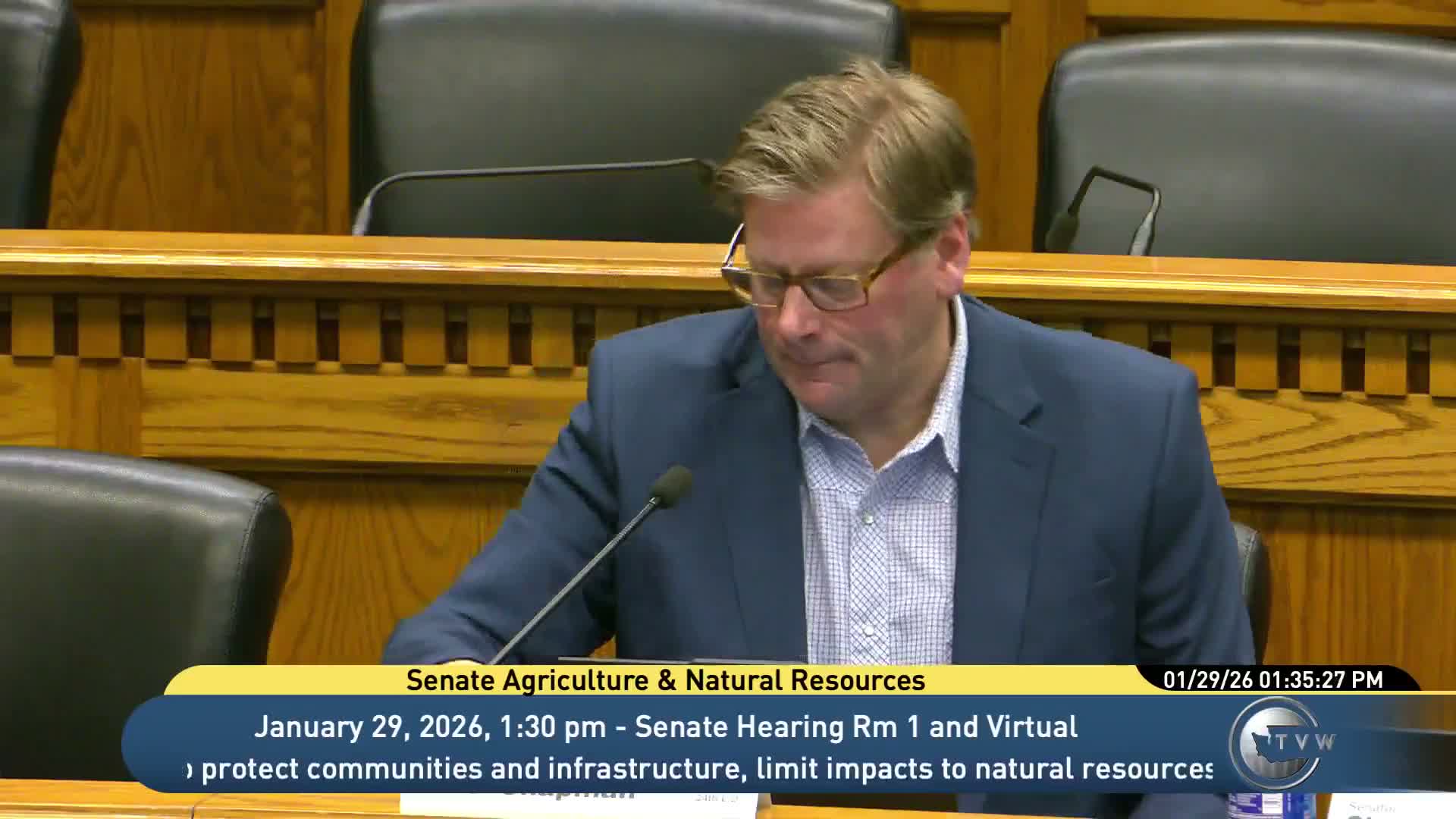
A Washington State Senate committee on Thursday heard competing testimony on Senate Bill 6,241, which would direct the Department of Fish and Wildlife to implement volunteer-driven wild broodstock steelhead conservation programs and adopt related rules for broodstock requirements, fish health and population targets.
Jeff Olson, committee staff, told the panel the bill directs WDFW to run wild broodstock programs in watersheds with native steelhead and to conduct rulemaking; the fiscal note cited in committee estimated a $14,600,000 cost in fiscal year 2027 based on 22 programs averaging roughly 100,000 steelhead.
Senator John Braun (20th Legislative District), sponsor of SB 6,241, said the bill grew out of requests from Southwest Washington fishermen and cited examples in Oregon and Alaska. "I'd rather get moved forward with a program," Braun said, acknowledging concerns about the fiscal note and noting a substitute was expected to reduce costs.
Proponents from the recreational fishing community said volunteer broodstock programs can reduce reliance on agency budgets, spread fishing pressure and help preserve wild genetics. Carter Barnes, a fisherman, described local closures in Skagit County and argued a volunteer program would help keep seasons open. Nello Pisenich of the Coastal Conservation Association said programs on Oregon rivers "are repeatable and scalable" and estimated a start-up cost of about $250,000 for one river example.
Opponents said evidence of long-term success is mixed and that program oversight belongs to technical managers. David Moskowitz, testifying remotely, said Oregon broodstock programs have not been monitored sufficiently and that "angler-caught wild steelhead that are delivered to hatcheries for broodstock actually have less viable eggs than a fish that is caught at a hatchery trap." Jonathan Stumpf of Trout Unlimited argued statutory direction via RCWs is the wrong approach and that decisions about hatcheries should be made by WDFW, treaty tribes and NOAA Fisheries based on science and adaptive management.
The committee closed the public hearing and noted sign-in tallies showing more pro than con written testimony. Members flagged a pending striking amendment to be listed in the executive session on Monday and did not take a vote during the hearing.
Next steps: the bill will be considered in the committee's executive session, where sponsors said they may offer a substitute to reduce costs and address oversight concerns.