Get Full Government Meeting Transcripts, Videos, & Alerts Forever!
Get email alerts on the Poverty Reduction topic
No spam. Unsubscribe anytime.
Legislators back renaming and expansion of poverty task force to focus on economic justice
Summary
SB 6,255 would rename LUPRO to the Legislative-Executive Economic Justice and Well-Being Task Force, add three agency members, and direct updated reporting on a 10-year plan to dismantle poverty; sponsors and agency staff told the Senate committee it streamlines coordination and requires accountability.
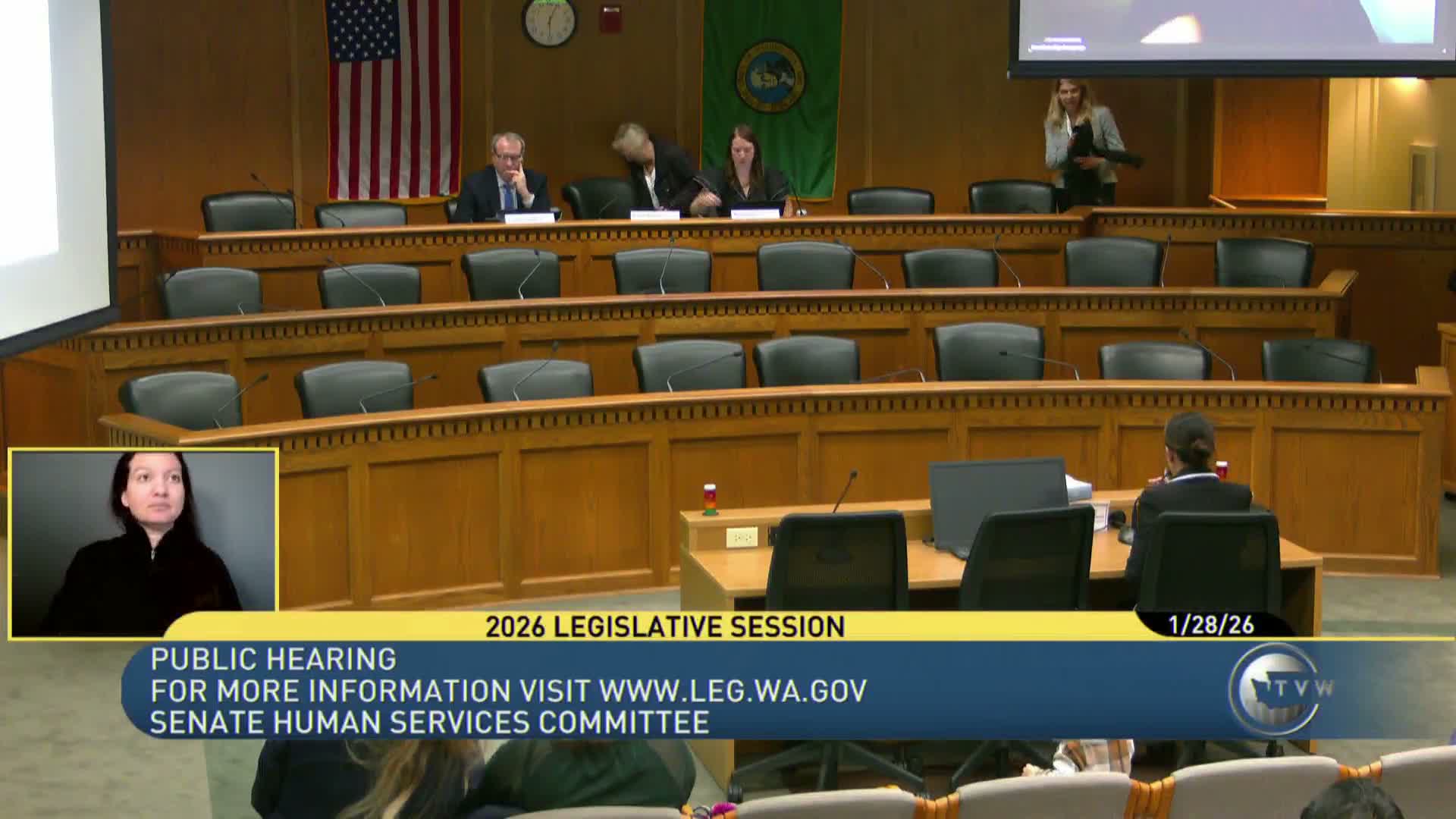
Senate Bill 6,255, a sponsor-led bill that renames and adjusts membership and duties of the Legislative-Executive Poverty Reduction Oversight Task Force (LUPRO), received bipartisan sponsor and agency support at a Jan. 28 Senate Human Services Committee hearing.
Allison Mendiola, committee staff, summarized SB 6,255: the bill would rename LUPRO the Legislative-Executive Economic Justice and Well-Being Task Force, expand membership to add three state agencies (Department of Revenue, Health Care Authority, and Workforce Training and Education Coordinating Board), modify who may vote, and revise duties to monitor and recommend priorities from the 10-year plan to dismantle poverty. A partial fiscal note noted an OSPI cost of $4,000 to produce a required report, while the companion bill contains a fuller fiscal note.
Senator Liz Lovett (40th Legislative District), the prime sponsor, described the bill as a trailer/cleanup measure to clarify duties, improve interactions with ethnic commissions, and continue cross-agency work to address intergenerational poverty. “This plan...tips and tricks and bills that we can do to make sure that we are absolutely meeting people where they are,” Lovett said.
Babs Roberts, a senior advisor at DSHS, testified the department supports the bill and described DSHS’s role hosting the Washington Economic Justice Alliance, which coordinates agencies, community organizations and people with lived experience to implement the 10-year plan. Remote constituent testimony from Tasha Lee described lived experience of intergenerational poverty and urged a 'do pass' recommendation.
Committee members praised LUPRO’s role in providing coordinated recommendations and creating opportunities for generational wealth; no fiscal impacts beyond staff briefings were identified during the hearing. The committee closed the SB 6,255 hearing after agency and constituent testimony; no committee vote was recorded that night.