
Senate hearing spotlights private detention conditions; bill would let state fine operators who block health inspections
Get AI-powered insights, summaries, and transcripts
Subscribe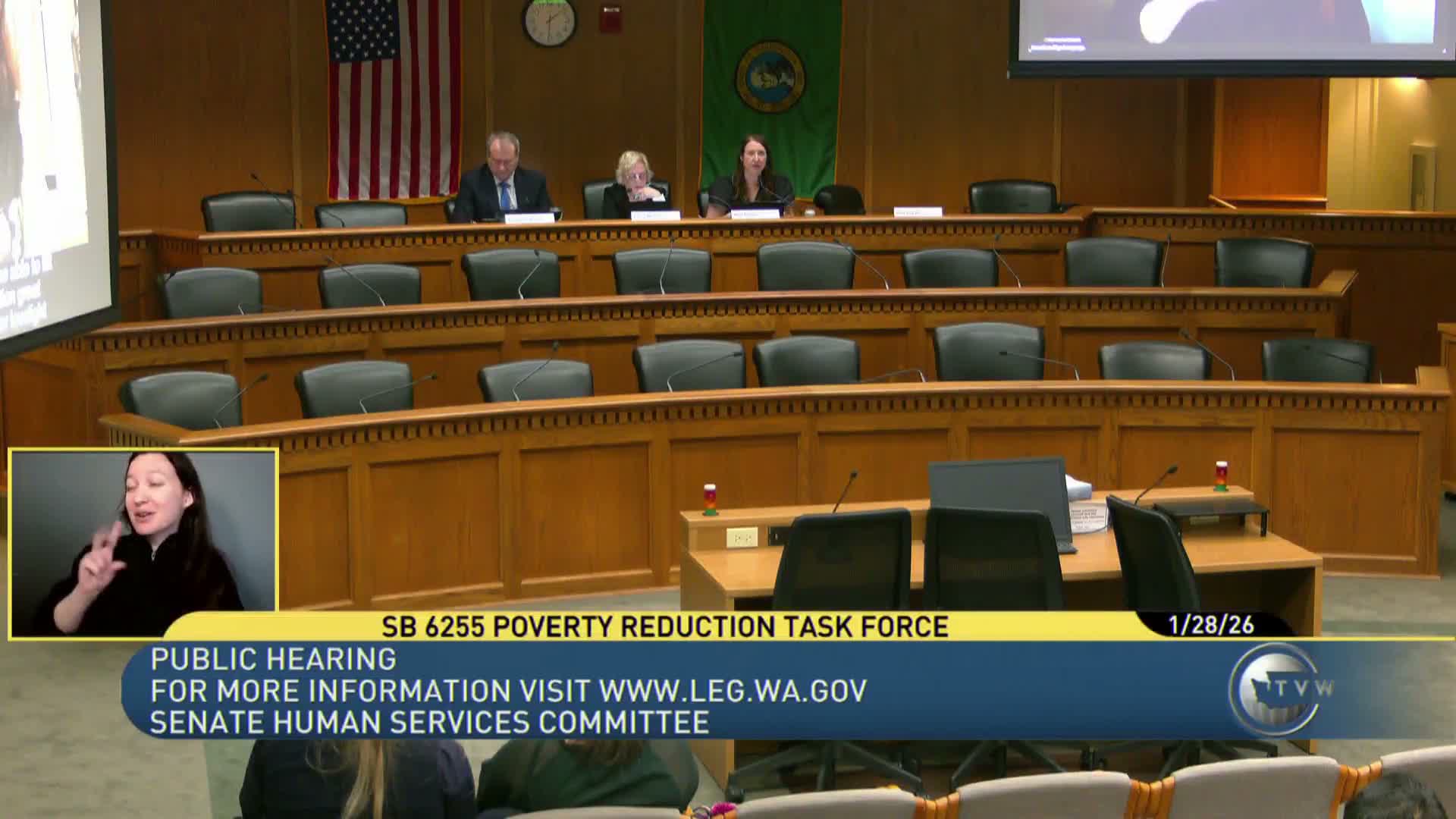
Summary
Supporters told the Senate Human Services Committee that private detention facilities have allowed dangerous conditions and limited Department of Health access; SB 6,286 would authorize unannounced inspections and create a graduated fine structure that funds an accountability and community repair account.
A bill that would give Washington’s Department of Health stronger inspection and penalty powers for private detention facilities drew emotional testimony at a Senate Human Services Committee hearing on Jan. 28.
Senate Bill 6,286 (sponsored by Sen. Tina Orwell) would authorize routine and unannounced Department of Health inspections of private detention facilities that operate under contract with government, and create a graduated civil fine for facilities that deny entry: $1,000 per day for the first 30 days, $10,000 per day for the next 30 days, and $15,000 per day after 60 days. Fines would be deposited into a Federal Enforcement Accountability and Community Repair account to assist wrongfully detained individuals and other victims, according to a staff briefing by Will Tronson.
“The bill before you is not about immigration laws. It’s about people,” Senator Tina Orwell said, recounting a tour of a private facility and describing solitary confinement units and reports of suicide. “People’s health and their lives are at stake here, and we want to show the seriousness of this.”
Survivors and advocates described conditions they said illustrate the need for stronger oversight. Melissa Chowdhury recounted that her husband, Mohammad Zahid Chowdhury, a disabled U.S. Army veteran, was detained for more than four months after being picked up at a citizenship appointment. “This structure is for profit, and it’s a throughput machine,” Melissa Chowdhury said, alleging undercooked food, overcrowding and short staffing. Zahid Chowdhury described multiple suicide attempts in his unit and limited access to mental-health care.
Christina Walker, a Tacoma City Council member, urged passage on public-accountability grounds. “Meaningful fines send a clear message that private detention facilities cannot treat compliance as optional,” Walker said.
Committee staff told senators the bill applies to privately operated detention centers contracted by government; members asked whether the measure would apply to juvenile facilities such as Martin Hall and about applicability to sovereign tribal facilities. Staff said Martin Hall is the only other privately operated juvenile facility in the state and offered to follow up on questions about sovereign facilities.
Supporters said the bill’s graduated fine structure and creation of a repair account provide practical levers to compel compliance and to help people harmed by poor conditions. Sponsors and witnesses declined to forecast fiscal impacts beyond partial fiscal notes cited by staff; staff said a requested fiscal note had been pending in some cases.
The committee closed the hearing on SB 6,286 after testimony from lawmakers, survivors and local officials; no committee vote was recorded during the session. The bill will return to the Legislature’s process for further consideration.