
Labor, privacy and consumer advocates back ban on surveillance-based grocery pricing; retailers urge narrower definition
Get AI-powered insights, summaries, and transcripts
Sign Up Free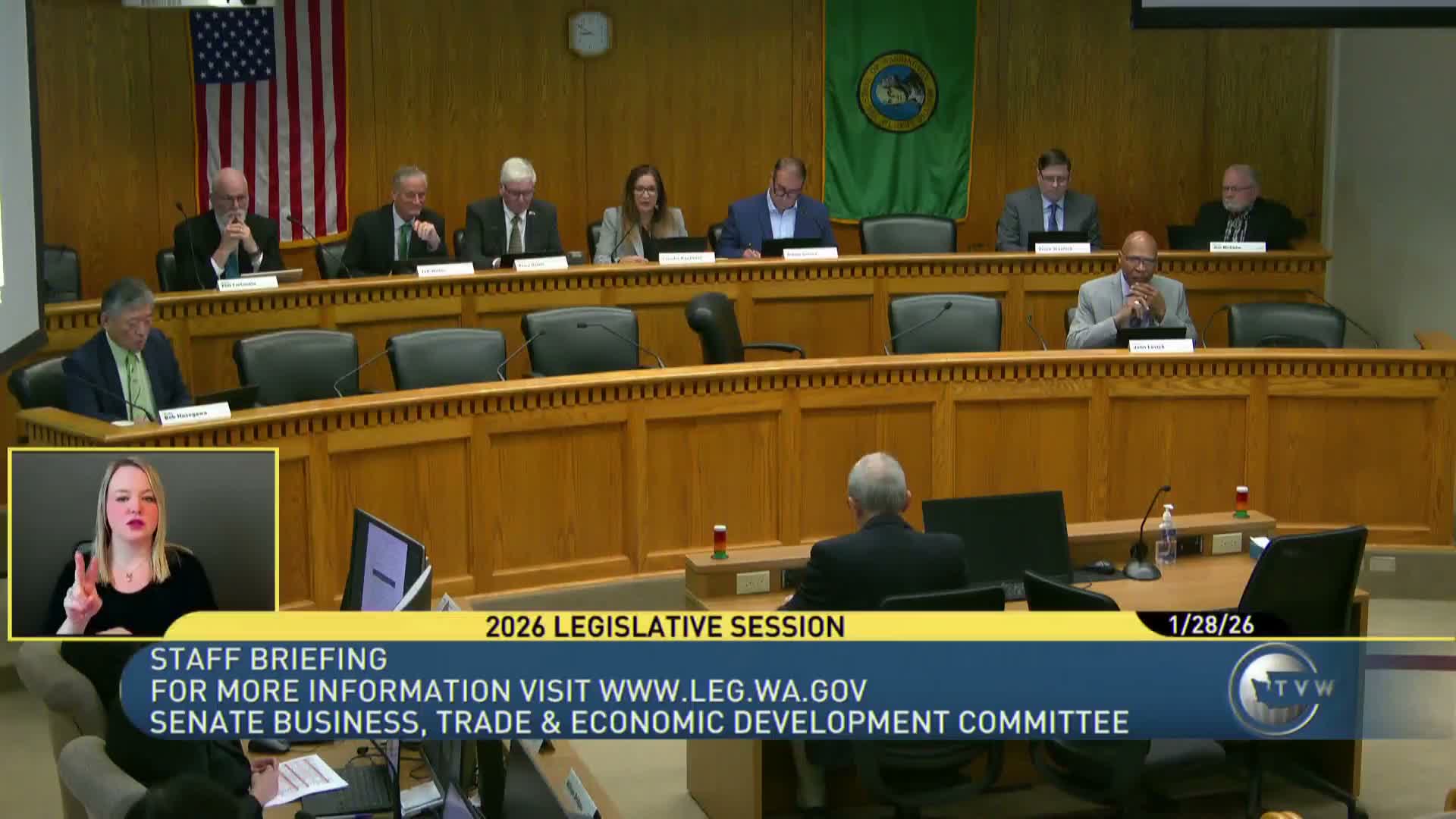
Summary
SB 6312 would prohibit surveillance-based price discrimination and institute a moratorium on ESL systems capable of enabling individualized pricing in large stores until 2030. Labor, privacy and consumer advocates supported the bill; retail trade groups and ESL vendors warned the definitions are too broad and could restrict loyalty programs and digital coupons.
Senator Saldanha introduced SB 6312, saying the proposal aims to prevent retailers or platforms from using personal or inferred data to charge different customers different prices for the same item. The bill requires clear posted prices in retail locations, bars search-based pricing and surveillance-based price discrimination, and places a moratorium on electronic shelf label systems in stores of 15,000 square feet or larger until Jan. 1, 2030, with exceptions for small independent businesses.
Supporters including Washington People's Privacy, labor unions (UFCW 3000) and privacy advocates said algorithmic pricing can target vulnerable shoppers and shift the burden of explaining pricing to frontline workers. UFCW witnesses gave examples of customer confrontations and said workers would be blamed if opaque algorithms set different checkout prices for shoppers standing side-by-side.
Retail trade associations and ESL vendors testified that the bill as drafted is too broad and could unintentionally ban common digital-couponing and loyalty programs that save low-income families money. Witnesses asked for narrower definitions, safe-harbor language for voluntary discount programs, and clarity that ESLs that do not enable individualized pricing should remain permitted.
After testimony the committee voted to waive the five-day notice rule for SB 6312 so remedial action could proceed during the session. The committee did not return an amended bill on the record during the hearing; sponsors and stakeholders signaled continued negotiation on definitions and enforcement.