
Committee hears industry, recyclers and prosecutors on bill to strengthen protections for critical communications infrastructure
Get AI-powered insights, summaries, and transcripts
Subscribe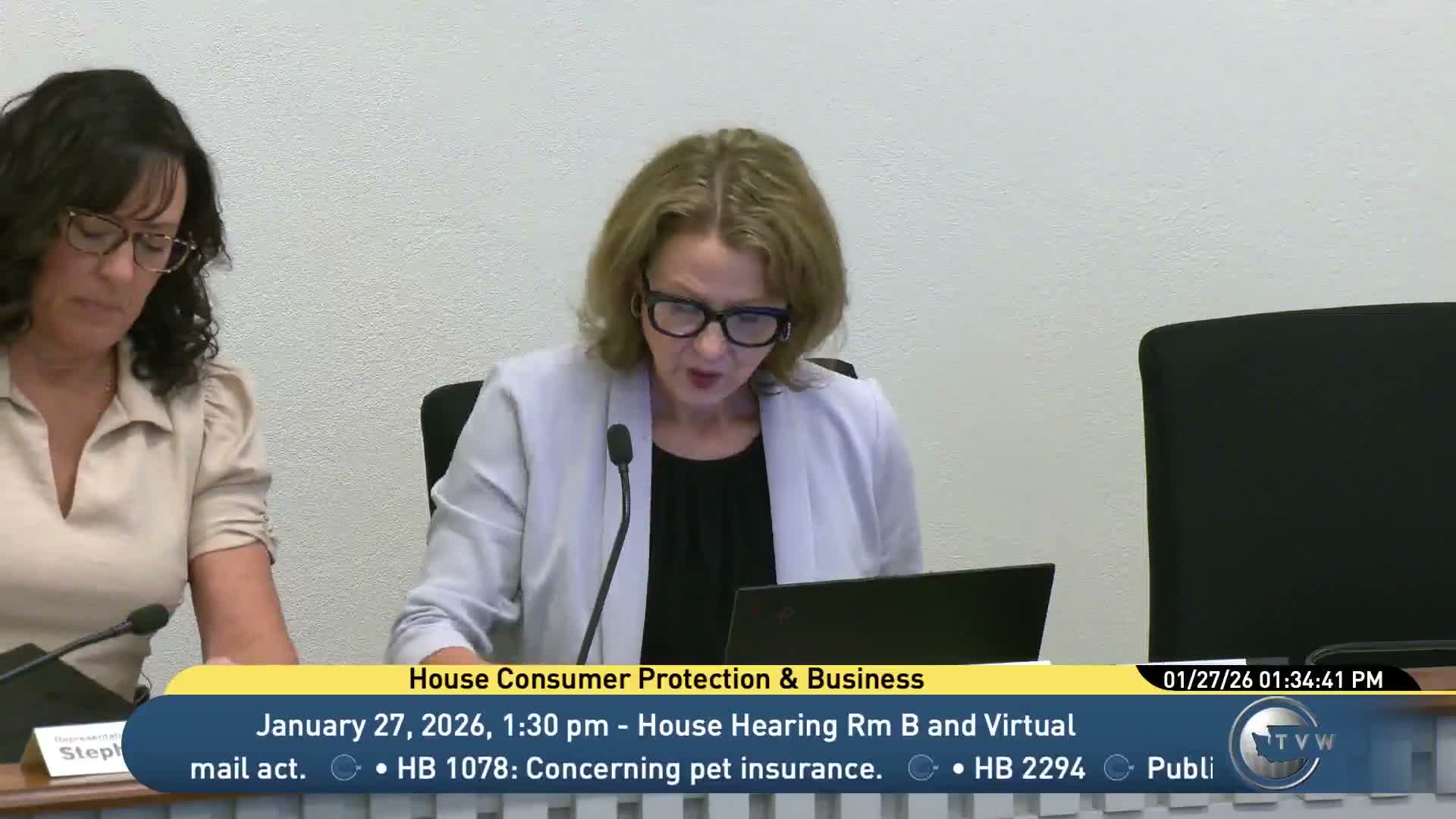
Summary
HB 2629 would restrict cash purchases and require stronger recordkeeping for scrap metal transactions and classify destruction of critical communications infrastructure as a felony; telecoms, recyclers and prosecutors described rising copper and fiber theft, public‑safety outages, and negotiation points for enforcement and evidence preservation.
Lawmakers heard extended testimony Jan. 27 on House Bill 2629, a measure aimed at protecting critical communications infrastructure by tightening scrap‑metal transaction rules, limiting cash payments, and creating penalties for destruction of communications systems.
Committee staff Megan Mulvihill summarized the bill’s core elements: prohibition on certain cash transactions for nonferrous metal, caps on cash purchases (current statute already limits certain cash purchases but the bill restricts the methods of payment), civil penalties up to loss of licensure for repeat violations, and a new crime of destruction of critical communications infrastructure punishable as a class E felony (seriousness level 2) when done with intent to damage, steal, or impair services.
Representative Alicia Ruhl (42nd LD), the prime sponsor, warned that thieves are cutting live copper and fiber that serve hospitals, 911, schools and first responders and said repair delays and supply‑chain constraints can leave communities offline for days. Telecommunications and cable company witnesses, including Rhonda Weaver (Comcast) and Robert Toms (Luma Technologies), gave specific examples of outages and said Washington ranks among states with the highest incident counts.
Recyclers and the Recycled Materials Association testified they supported parts of the bill and reported negotiated changes: they will stop paying cash for over‑the‑counter transactions and agreed to provide searchable transactional records to law enforcement through a state patrol‑approved database. But law enforcement and prosecutors urged stronger evidence‑preservation tools. King County prosecutor Gary Earnsdorf said existing felony statutes sometimes overlap with the bill and argued that the most effective steps are operational—requiring recyclers to upload transactional data and temporarily hold items so police can seize evidence before recyclers destroy or process materials.
Panelists urged the committee to consider pairing HB 2629 with proposals requiring transaction uploads and short holding periods used in other states and pawn industries so law enforcement can trace stolen property, collect license plates and identify sellers quickly. Supporters said the bill would add tools to reduce outages and damage but acknowledged that penalties alone are insufficient without better evidence collection and enforcement resources.
The committee took testimony from industry, recyclers, prosecutors, and trade associations and did not take a vote on HB 2629 during this session.