
Telecom Firms, Law Enforcement Back Tougher Penalties for Cable and Copper Theft; Recyclers Agree to Cash Ban
Get AI-powered insights, summaries, and transcripts
Subscribe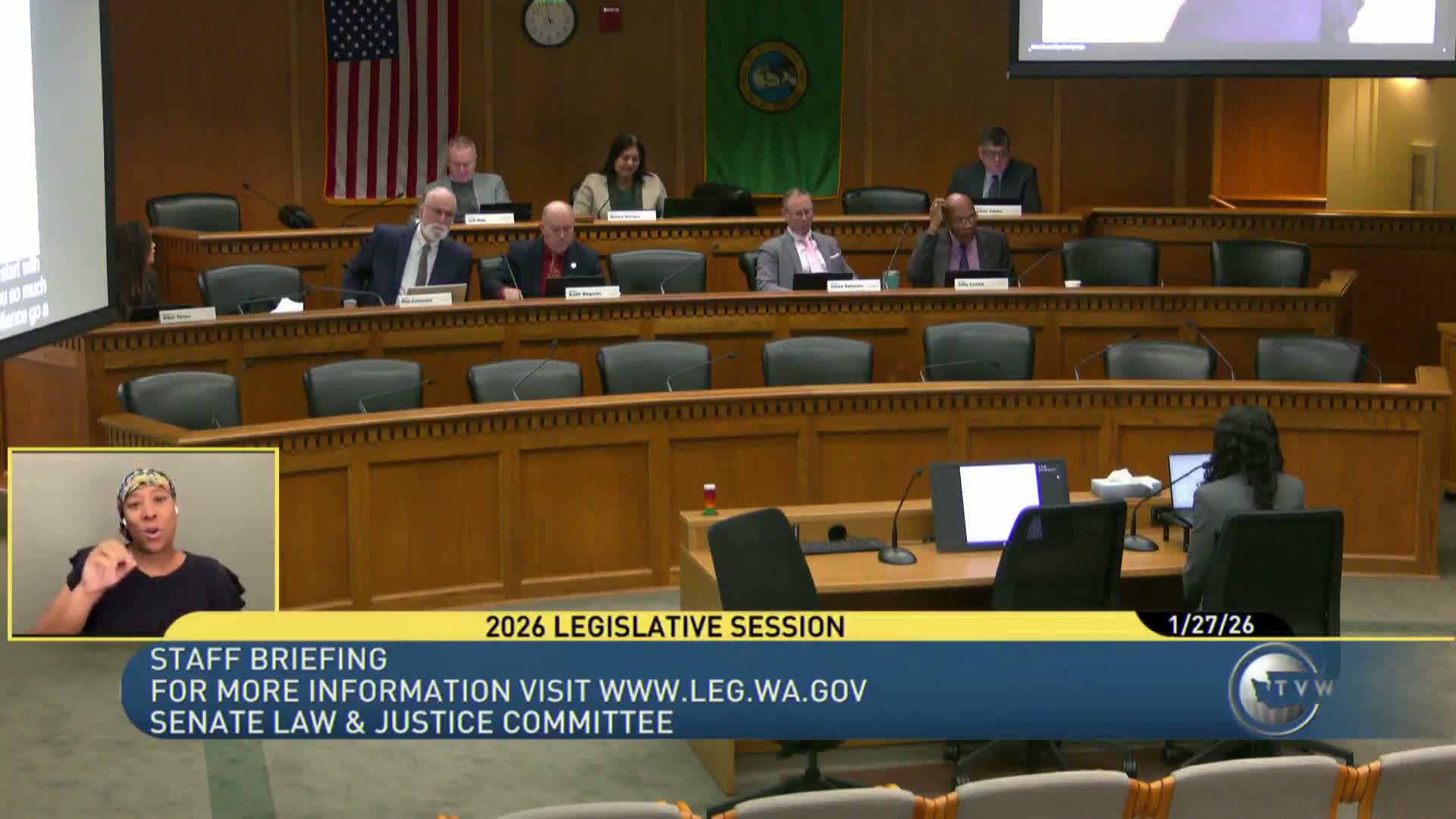
Summary
SB 6,190 would expand criminal and civil penalties for destruction of critical communications infrastructure, restrict cash payments for certain scrap metal and add licensing penalties for repeat violators. Telecom companies and prosecutors urged more enforcement tools; recyclers agreed to new reporting and cash-ban measures but noted fiber is not sold to yards.
Senators heard testimony on SB 6,190 on Jan. 27, a package aimed at protecting critical communications infrastructure by regulating scrap-metal transactions, expanding penalties for infrastructure destruction and adding enforcement tools.
Staff counsel explained the bill revises definitions for nonferrous and commercial metal property, permits electronic payments for purchases (not cash for nonferrous metal), and creates civil penalties and potential loss of licensure for scrap businesses that violate transaction rules; it also establishes a new class C felony for destruction of critical communications infrastructure.
Telecommunications companies described a steep rise in theft and vandalism of plant and cable that has caused service outages and safety risks. Rhonda Weaver of Comcast said the company experienced more than 100 incidents in Washington in 2025 alone and recounted a recent fiber cut that threatened school operations. ‘‘In 2025 alone, my company, just Comcast, had over a 100 of these incidents,’’ she said.
Lumen Technologies and law enforcement witnesses supported the bill but prosecutors urged additional investigative tools such as mandatory upload of transaction records to a searchable database (similar to pawn-shop reporting), a brief hold on purchased materials to allow evidence collection, and seizure authority once stolen goods are identified. King County prosecutor Gary Ernstorf said enforcement in practice requires preserving and tracing material and proposed amendments that would provide those capabilities.
Recycling-industry witnesses, including the Recycled Materials Association, said they had negotiated concessions such as eliminating cash payments for nonferrous metal and agreeing to report purchases to law enforcement; they noted that as networks migrate from copper to fiber, scrap yards are not a buyer for fiber optics. Crisis-connections advocates warned that damage to telecom infrastructure threatens 988 and 911 lifelines that provide life-saving services.
The committee concluded public testimony with broad industry support and several suggested law-enforcement amendments to make the proposals operational and enforceable. No committee vote was taken at the hearing.