Universities and Students Urge Lawmakers to Update Personality Rights for Deepfakes
Loading...
Summary
Two companion bills (SB 5,886 and SB 6,041) would expand personality-rights protections to forged digital likenesses and increase civil penalties for knowing misuse. Student governments and university representatives urged the committee to pass the measures to protect students from AI-generated impersonation and reputational harm.
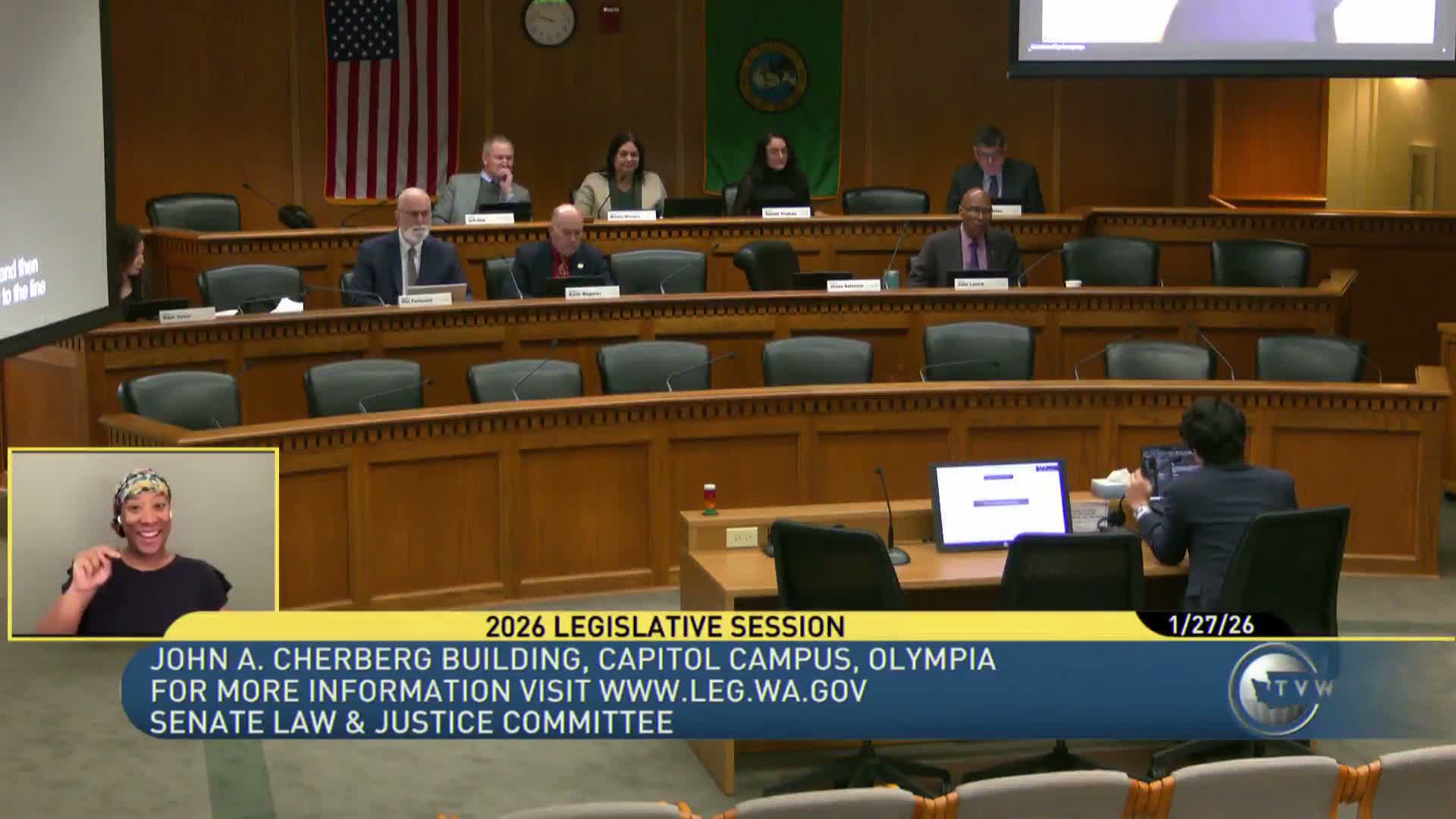
The committee heard testimony on two related bills—SB 5,886 and SB 6,041—that would expand personality-rights protections to cover forged digital likenesses and modern digital media, including AI-generated images and audio.
Sen. Matt Behnke, prime sponsor of SB 5,886, described advances in AI and digital media that make false visual and audio representations more convincing and said the legislature should clarify property and privacy rights for individuals. ‘‘These things are getting really really good to look like a likeness of reality,’’ he said, arguing statutory language must keep pace with technology.
Staff counsel told members SB 5,886 defines a ‘‘forced digital likeness’’ as a visual or audio representation modified to be indistinguishable from a genuine recording and likely to deceive a reasonable person; SB 6,041 would raise civil penalties and create a knowing-publication standard with a $3,000 statutory civil remedy option in addition to actual damages.
Student leaders from Washington State University and the University of Washington told the committee they support the bills because students are vulnerable to nonconsensual deepfakes that can harm reputation and safety. Bhargav Iyer, representing nearly 15,000 WSU undergraduates, said colleges are seeing increased misuse of digital likenesses and urged protections that apply regardless of whether the misuse is commercial.
Supporters encouraged sponsors to ensure the bills cover ephemeral and real-time face- and voice-swapping technologies as well as static images. Testimony closed with a record of widespread pro registrations and only limited opposition.
The committee received a comparison chart for the two bills and a fiscal note for one measure; no committee vote occurred at the hearing.