Proposal would require petition circulators to sign declarations and verify addresses
Loading...
Summary
House Bill 22‑60 would require petition circulators to sign and date a declaration on each petition sheet and direct the Secretary of State to verify that the signer's address on the petition matches the voter‑registration address; supporters say it improves traceability, while secretaries of state and many witnesses warned of costs and potential disenfranchisement.
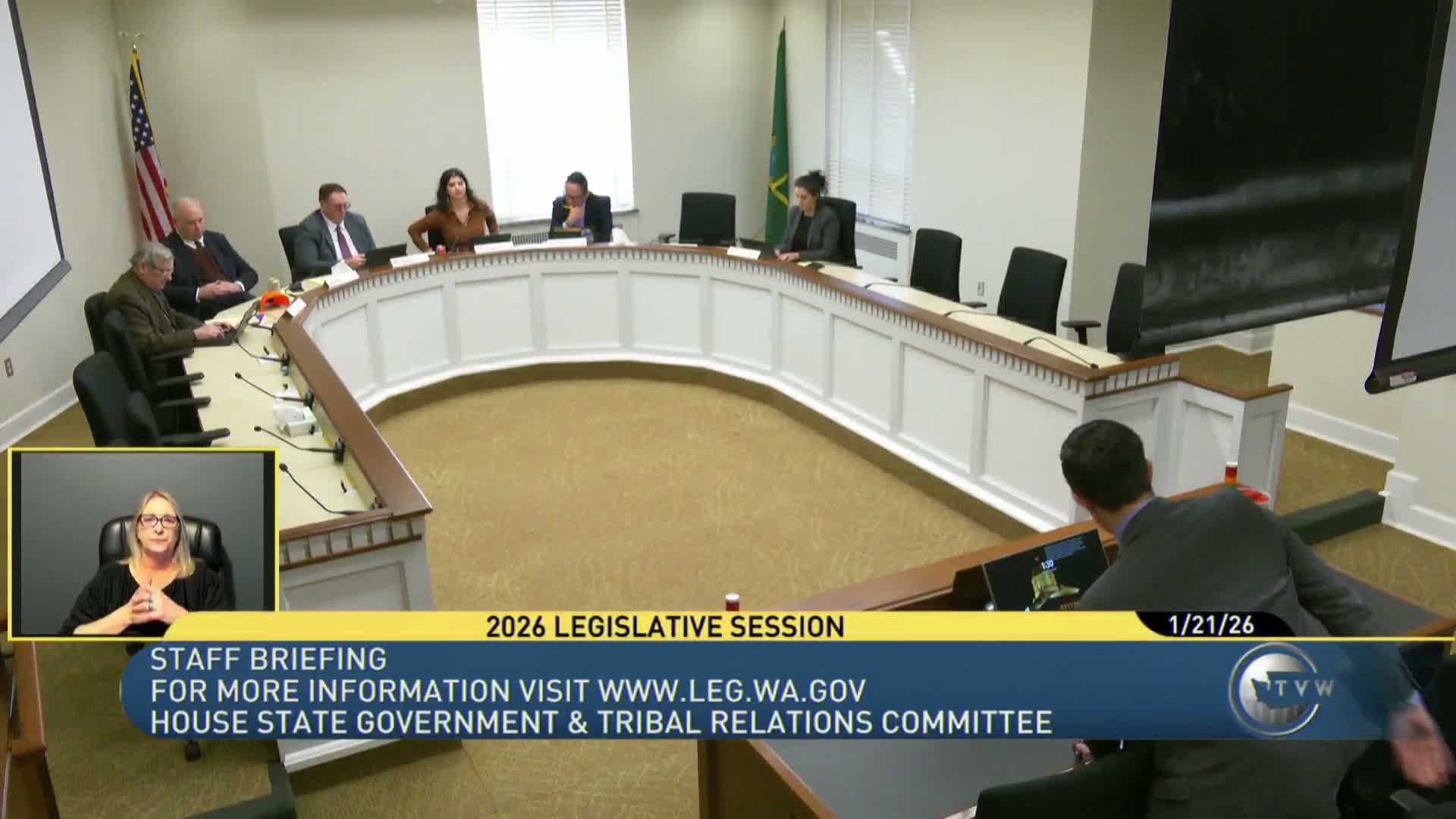
Committee counsel Connor Schiff opened the HB 22‑60 staff briefing by walking members through current petition requirements and the bill’s proposed changes: a signed, dated circulator declaration on each sheet; circulator contact details (address and county); a sworn statement that signers signed without compensation; and a verification role for the Secretary of State to confirm signers’ petition addresses match their voter‑registration addresses.
Representative Alex Ramble, who presented the bill, said the measure targets two gaps: the lack of a signed circulator declaration that creates no auditable trail, and the absence of the signer's address on petition signature lines, which can leave election workers unable to disambiguate duplicate names. “By including the voter’s address, we can avoid those kinds of unintended mistakes and improve the transparency of the system,” he said.
Supporters from civic and accountability organizations told the committee the requirement would make it possible to trace sheets to circulators and detect patterns of error or misconduct. Ryan Hollander of Accountable Northwest told the committee Washington would join about 22 other states with similar circulator‑signature requirements, and other supporters pointed to state examples such as Arizona, Colorado and Florida.
Secretaries of state opposed the measure. Secretary Steve Hobbs said the bill could disenfranchise students, overseas/UOCAVA voters and people who move between signing and verification; he also said requiring checking every petition sheet would substantially increase workload and urged investment in faster verification technology or alternative penalties instead. Former Secretary Sam Reid called the bill a barrier and warned that volunteer circulators could be penalized when clerical mistakes occur.
Witnesses debated constitutional and practical limits; some opponents cited U.S. Supreme Court precedent (as raised in testimony) that restrictions on circulator registration and disclosure can implicate First Amendment protections. Supporters said the declaration is a modest accountability step used by other states and that it would help election officials find and correct errors.
The committee took extended testimony but did not vote on the bill. Members asked staff to provide additional information about administrative costs and legal constraints; the hearing was adjourned without action.