Get Full Government Meeting Transcripts, Videos, & Alerts Forever!
Get email alerts on the Music Therapy Licensure topic
No spam. Unsubscribe anytime.
Committee Hears Bill to Let New Music Therapists Practice Under Supervision While Licenses are Processed
Summary
HB 2363 would permit music‑therapy license applicants who meet application requirements to practice under supervision for up to six months while the Department of Health verifies exam results. Supporters said the change remedies processing delays and expands workforce capacity; sponsors plan amendments on timing.
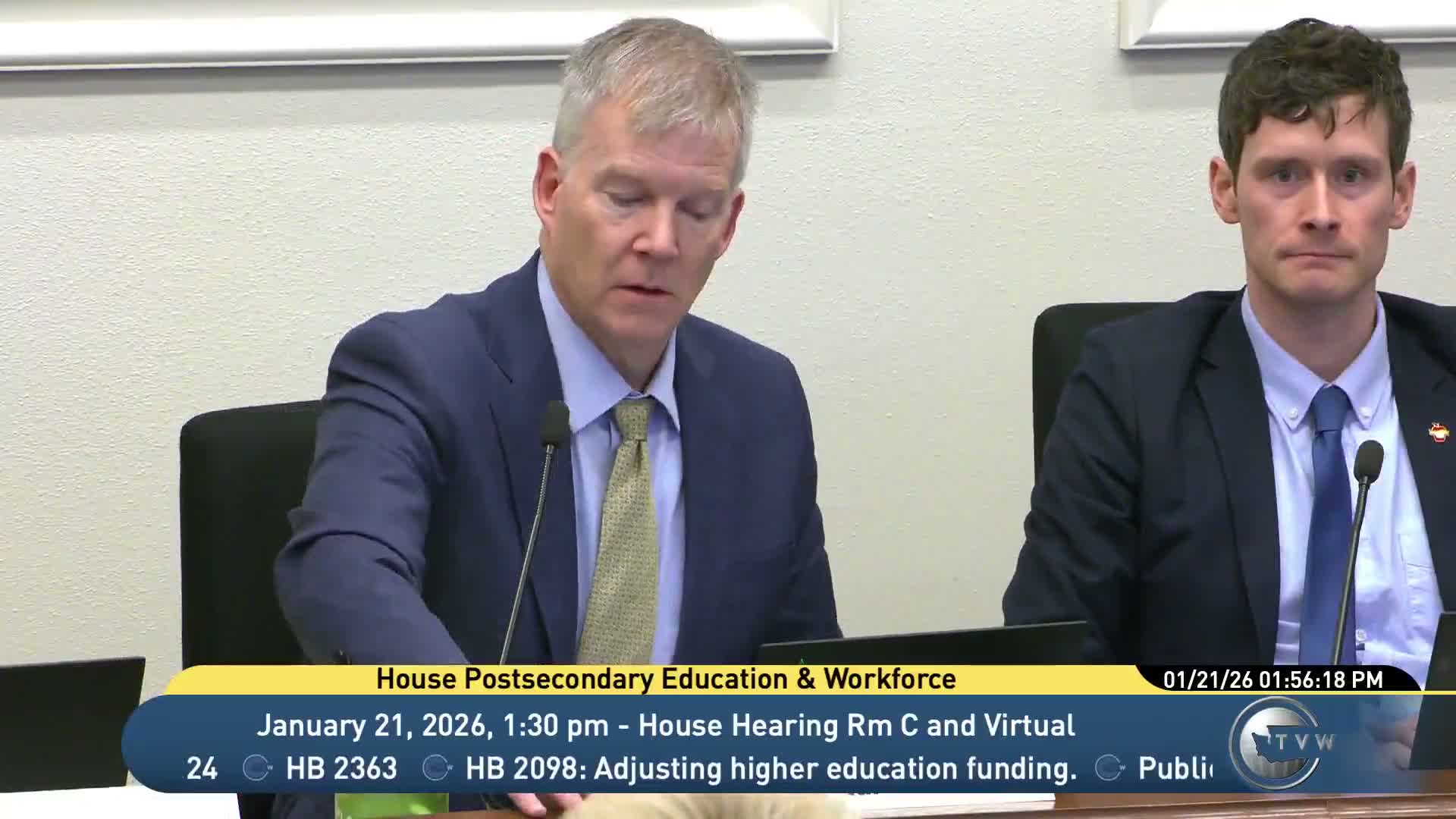
The committee heard House Bill 2363, which would allow applicants for a music therapy license to practice under the supervision of a licensed music therapist for up to six months while the Department of Health verifies exam results.
Saranda Ross, counsel to the committee, summarized that the statutory change is a technical fix to the 2023 law that created music therapy licensure and would permit supervised practice while exam verification is pending. Representative Julie Reid (36th District), sponsor of the bill, described it as a narrow fix to let eligible graduates begin supervised practice while licensing paperwork is processed.
Multiple witnesses from the profession supported the proposal. Tanisha Ross, co‑chair of the Washington State Music Therapy Task Force, said the licensure program issued its first licenses last January but processing times can take weeks to months, which prevents newly certified therapists from developing skills with patients; "Processing can take anywhere from a few weeks to several months," she said. Jeremiah Nelson, a recent graduate, described losing a hiring opportunity because licensure processing took months despite passing the certification exam. Megumi Asekawa, a program director at Pacific Lutheran University, described academic and clinical training standards (minimum 1,200 clinical hours) and supported an exemption that would allow qualified graduates to practice under supervision while awaiting approval.
Michael Moran, registered lobbyist for the Washington Music Therapy Association, and patient testimony also supported the bill. Supporters said the supervised grace period protects patients because practice would occur under licensed supervision and argued the change would help build workforce capacity in schools, hospitals and long‑term care settings.
Representative Reid said she was working with the Department of Health on the timing and expected an amendment to refine implementation details. The committee closed the public hearing on HB 2363 after hearing in‑room and remote testimony.