Get Full Government Meeting Transcripts, Videos, & Alerts Forever!
Get email alerts on the Nurse Delegation topic
No spam. Unsubscribe anytime.
Bill to modernize nurse delegation draws support from long-term-care groups and concern from trial lawyers
Summary
House Bill 2425 would broaden nurse delegation, allowing certified nursing assistants and home care aides to administer certain subcutaneous medications and receive immunity when following delegation; long-term-care and nursing groups supported it for workforce reasons while justice advocates warned expanded immunity could limit patient recourse.
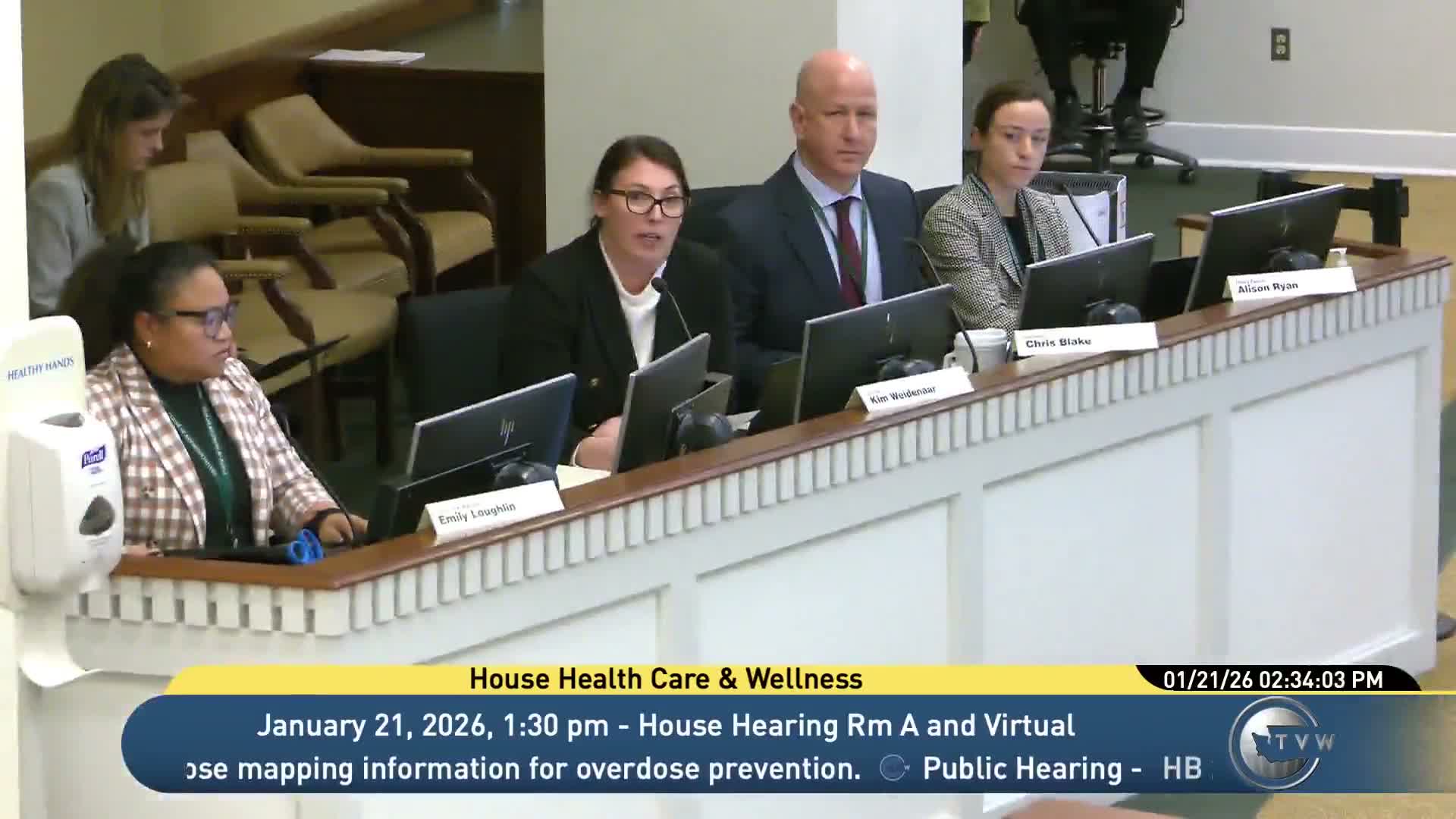
Kim Weidner, staff to the committee, summarized House Bill 2425: it would modernize nurse delegation by removing setting- and medication-specific restrictions, permit certified nursing assistants and home care aides to administer certain subcutaneous medications (including insulin and similar injections) under RN delegation, change training documentation expectations, expand limited immunity for delegated tasks performed "accurately," and require the Board of Nursing to adopt rules by July 1, 2028.
Representative Milin Tai (41st District) introduced the bill as an agency-request measure intended to align law with contemporary care settings and help address workforce shortages by allowing safer, flexible delegation through administrative rulemaking.
The Board of Nursing’s executive director, Dr. Allison Brady Wood, supported the bill, saying the current statute is outdated and that moving delegation details to board rulemaking would allow responsive, consistent standards statewide. LeadingAge Washington and the Washington Health Care Association (long-term care and skilled nursing associations) also testified in support, saying the change helps residents remain in community settings longer and allows assistants to practice at the top of their training.
Opposition focused on immunity and patient-safety concerns. Kelly Carson (Washington State Association for Justice) said expanded immunity for delegated tasks risks weakening accountability and could leave harmed patients with limited recourse. Legal advocates asked the committee to weigh immunity expansions carefully and asked for clearer liability frameworks.
Staff noted the bill would require rulemaking by the Board of Nursing to set delegation parameters by mid-2028 and explained certain statutory limits would remain (delegation cannot authorize tasks that pierce or sever tissue, except where explicitly allowed). The committee concluded public testimony and moved to executive session on other bills; no committee vote on HB 2425 is recorded in this public testimony portion.
Next steps described in the hearing include Board of Nursing rulemaking and stakeholder engagement if the legislation advances.