
Committee hears bill to require written contracts, reimbursement before jails accept federal detainees
Get AI-powered insights, summaries, and transcripts
Subscribe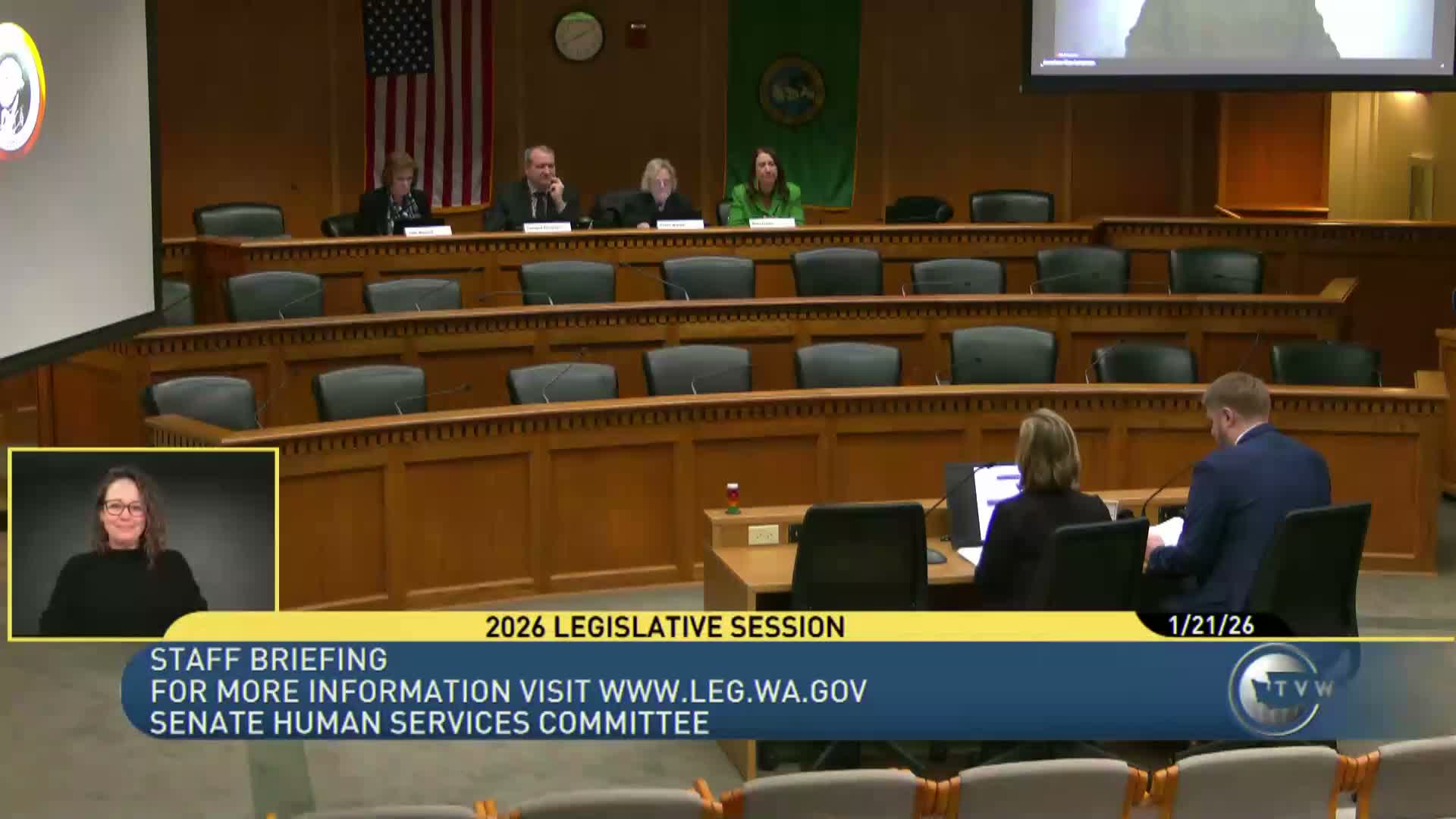
Summary
SB 6,080 would require written contracts and cost recovery before Washington jails accept federal detainees transported across state lines; sponsor said the change would protect counties and taxpayers, while sheriffs raised concerns about practicability for all jails and certain federal arrests.
Staff told the committee SB 6,080 would require written contracts between local jails and federal authorities before jails accept federal detainees brought across state lines, except when there is a valid judicial warrant; contracts would have to include a fee covering the jail's total cost and a jail could refuse to hold a federal detainee if funds were not received or expected.
Sponsor Senator Annette Cleveland said the bill was prompted by incidents in her district where federal law enforcement transferred people across state lines into a local county jail. "Local resources mustn't be commandeered without an agreement," Cleveland said, urging the committee to require written contracts and compensation to protect local governments and staff.
Supporters included Jake Garcia of the Latino Community Fund, who said SB 6080 prevents detention without a valid judicial warrant and protects local governments from absorbing federal detention costs. Dyanna Perez, a Vancouver city councilor, told the committee the bill would bring clarity and local discretion and protect taxpayers. Brad Banks with the Association of Counties also spoke in support.
James McMahon, policy director with the Association of Sheriffs and Police Chiefs, said the association signed in on the bill but warned some language could produce unintended consequences. He said the draft could prevent local booking of federal arrestees (FBI, U.S. Marshals, fugitive cases) unless a contract were already in place, and asked the sponsor to work with stakeholders to refine sections of the bill.
The committee closed public testimony and moved on; members asked staff and the sponsor to continue technical conversations to address practical concerns from sheriffs and jail administrators.