Get Full Government Meeting Transcripts, Videos, & Alerts Forever!
Get email alerts on the Abortion Medications topic
No spam. Unsubscribe anytime.
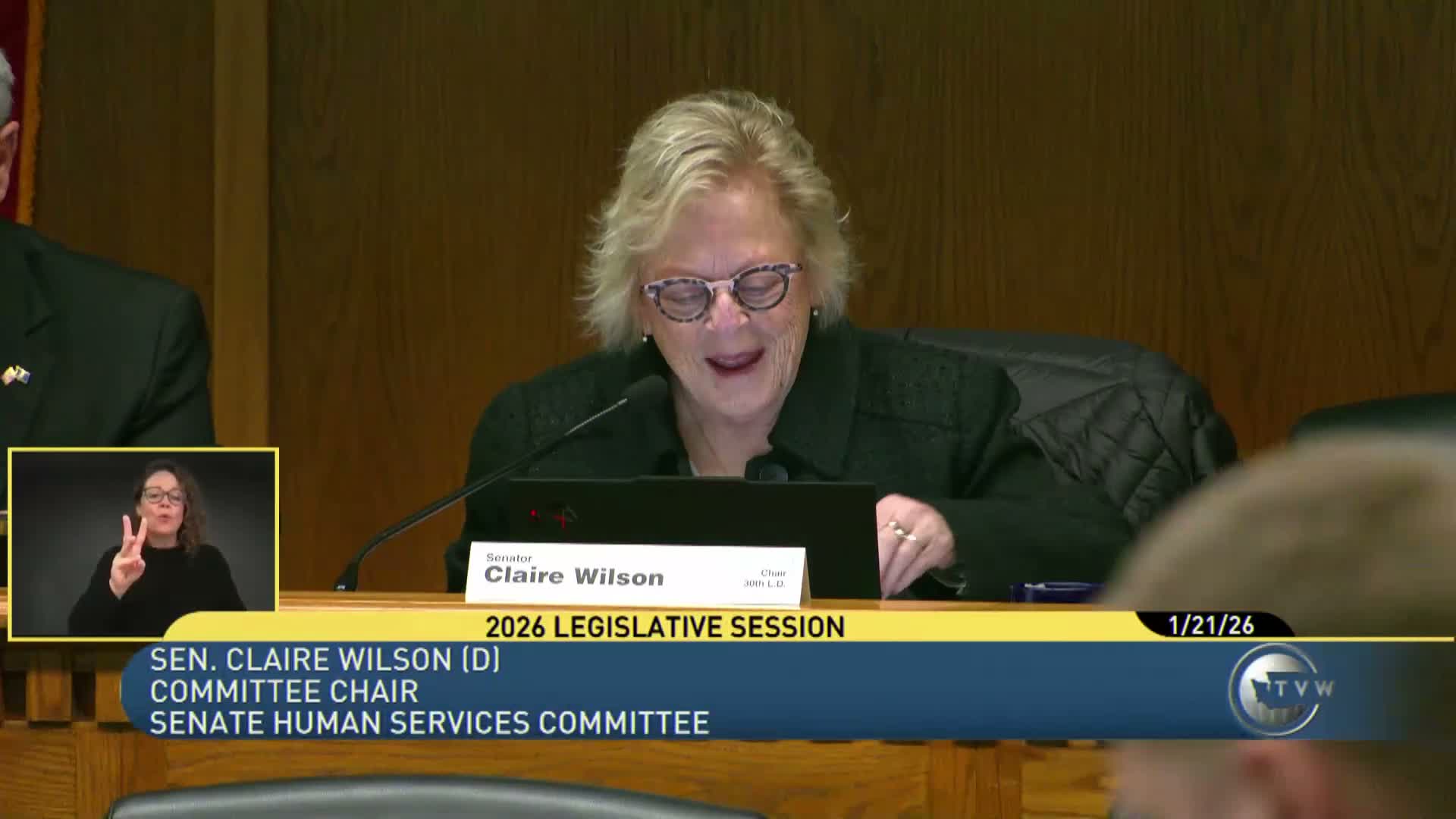
Committee reviews bill to let state redistribute stockpiled abortion medications
Summary
Senate Human Services heard testimony on SB 5,917, which would let the Department of Corrections and Department of Health move or sell state'purchased mifepristone and misoprostol to healthcare providers (including donation) and remove a mandatory pricing requirement; witnesses on both sides urged the committee to weigh access, safety, and taxpayer cost.
Senate staff told the Human Services Committee that Washington's Department of Corrections holds a large stockpile of abortion medications and that SB 5,917 would clarify how those doses may be moved to providers.
"In 2023, the department purchased 30,000 doses of mifepristone. In 2025, DOC purchased an additional 17,600 doses and 155,000 doses of misoprostol," committee staff said, and described the bill as clarifying that the Department of Corrections may donate or sell the medications to health-care providers or health-care entities and making charging for distribution discretionary rather than mandatory.
Sponsor Senator Jessica Bateman told the committee the bill is a modest follow-up to a 2023 law and is intended to prevent doses from expiring and to preserve access if federal litigation limits availability. "We need it now and we need to be able to make sure that the people that need these medications can get them and that they don't expire," Bateman said.
Supporters emphasized public-health benefits and logistics. Samantha Grono of the Washington State Women's Commission told the committee medication abortion accounted for "over two thirds of abortions in Washington in 2024," and said the bill '2is not a request to purchase more medication, rather a simple fix" to make the 2023 stockpile usable. Katie Eilers of the Department of Health said DOH's relationships with providers would help the state identify reputable recipients and distribute doses efficiently.
Opponents warned the committee about removing the statutory pricing requirement and raised safety and fiscal concerns. Mary Long, speaking for the Conservative Ladies of Washington, said the 2023 emergency powers had been converted into permanent authority and argued removing the pricing requirement leaves taxpayers paying the cost. "The question is who pays, and the answer is clear, Washington taxpayers," Long said. Several other witnesses described moral opposition to abortion and urged a no vote.
Committee staff and witnesses acknowledged that a fiscal note had been requested but was not yet available at the time of the hearing. Staff also confirmed the bill'language would allow the Department of Corrections to distribute medication without a mandatory sale-at-cost plus $5 requirement, making charging discretionary.
The committee closed the public testimony portion for SB 5,917 after hearing pro and con statements and moved on to other agenda items. The record includes requests by members for follow'up information about purchase costs and the pending fiscal note.